Yes, seaweed snacks are genuinely healthy for most people when made with clean ingredients. A typical serving provides iodine, vitamins A, C, and K, and meaningful amounts of antioxidants. All this comes in under 30 calories. The key is checking for unnecessary oils, excessive sodium, and artificial additives that undermine the nutritional benefits of the seaweed itself.
What Nutrients Are Actually in Seaweed Snacks?
Dried laver, the seaweed behind Korean gim and Japanese nori, is one of the most nutrient-dense portable foods available. A standard 5g serving delivers vitamins A, C, K, and B12. It also provides iodine, folate, calcium, and plant-based omega-3 fatty acids. All this comes in at 25 to 35 calories per pack. That calorie-to-nutrient ratio is nearly unmatched in the snack aisle. Polyphenol antioxidants in seaweed have drawn increasing scientific attention, with research published in Scientific Reports measuring total phenolic content in Australian seaweed species at up to 3.14 mg GAE/g (nature.com). The fiber content supports gut health, umami-rich glutamates make the flavor naturally satisfying, and the food requires no artificial enhancement to taste complete. For wellness-conscious women building a clean snacking ritual, the nutritional return per calorie is hard to beat. Consider a busy mom in Seattle. She swapped her afternoon granola bar for two packs of premium Korean gim. This cut her snack calories from 180 to 50. She also increased her iodine and vitamin K intake. She now feels confident sharing the ingredient list with her kids, knowing it contains only seaweed, sesame oil, and sea salt, zero artificial additives.
How Does Iodine in Seaweed Compare to Other Food Sources?
Seaweed is the richest whole-food source of iodine on earth. The Recommended Dietary Allowance for adult men and women is 150 μg/day, while the Tolerable Upper Intake Level sits at 1,100 μg/day (ncbi.nlm.nih.gov). Laver and nori fall well below high-iodine varieties like kelp and wakame. Raw laver contains only 48 mg sodium per 100g, compared to 233 mg for kelp and 872 mg for wakame (nutritionsource.hsph.harvard.edu), which gives some indication of the relative mineral intensity between species. One or two daily servings of roasted laver keep most healthy adults comfortably within safe iodine ranges. Pregnant women, who need 220 μg/day rather than the standard 150 μg/day, should confirm intake with a healthcare provider, but moderate laver consumption typically supports rather than threatens that target.
What Vitamins and Minerals Make Seaweed a Functional Snack?
The vitamin profile of dried laver goes well beyond what most snack foods offer. Vitamin K supports bone density and cardiovascular health, which is particularly relevant for women in their 30s and 40s managing long-term skeletal health. Folate makes seaweed a smart choice for women of childbearing age. Calcium and magnesium are present in small but real amounts, adding to the daily mineral load without adding calories. The B12 finding is especially significant for plant-based eaters: research published in the European Journal of Nutrition confirmed that purple laver contains true vitamin B12 rather than inactive analogues, at a level sufficient to meet the RDA of 2.4 µg (link.springer.com). A study on nori found that 5g (roughly 4 sheets) delivers 2.4μg of vitamin B12 (ctv.veeva.com), meeting the full adult RDA in a single snack serving. In a Taiwanese cohort, 26% of vegetarians were vitamin B12 deficient compared to 1% of omnivores (link.springer.com), making this finding meaningful for a growing dietary demographic.
What Are the Real Health Risks of Eating Seaweed Snacks?
Seaweed is a bioaccumulator. It absorbs minerals and contaminants from surrounding ocean water with no filtering mechanism, which means the cleanliness of the farming environment directly determines the safety of the final product. Heavy metal contamination is a legitimate concern with poorly sourced seaweed. Arsenic, cadmium, and lead are the primary risks. Third-party testing data has revealed that some commercial seaweed snacks carry alarming contaminant levels: one independent lab report found 13,800 ppb arsenic in a nationally distributed organic roasted seaweed product (tamararubin.com). That number matters. Hijiki seaweed deserves special mention: it is specifically flagged by food safety authorities in multiple countries for exceptionally high inorganic arsenic levels and is not used in reputable roasted snack products. Laver and nori present a different risk profile, but the sourcing question never disappears entirely. Brands without transparent country-of-origin labeling or third-party testing documentation carry meaningfully higher uncertainty.
Why Does the Sourcing of Seaweed Matter for Safety?
Korean gim farmed in certified, government-regulated coastal waters consistently tests lower for heavy metals than wild-harvested or unverified commercial varieties. South Korea's National Institute of Fisheries Science provides a regulatory framework that most generic seaweed commodity suppliers simply cannot replicate. The difference between certified-origin Korean laver and anonymous commodity seaweed is not a marketing distinction. It is a safety distinction. Sodium levels also vary more than most consumers realize: raw laver starts at 48 mg sodium per 100g (nutritionsource.hsph.harvard.edu), but processing and seasoning push packaged snack sodium into the 150 to 400mg per serving range for mass-market products. For daily snackers, that range matters. Choosing brands with under 100mg sodium per serving is a practical target for anyone managing cardiovascular health or consuming multiple packs per day.
How to Read a Seaweed Snack Label Like a Dietitian
This is where most consumers stop short. The ingredient list is the fastest signal of product quality, and for seaweed snacks, it should be short: seaweed, a food-grade oil, and sea salt. That is the complete list for a genuinely clean product. Anything beyond those three items deserves scrutiny. Simple, lightly salted versions are consistently the healthiest choices, not because flavoring is inherently dangerous, but because flavored varieties frequently introduce refined oils, MSG, artificial flavors, and preservatives that dilute the nutritional integrity of the seaweed itself. The oil choice is the single biggest differentiator beyond the seaweed origin. Avoid products using palm oil, cottonseed oil, or generic "vegetable oil" blends. These ingredients signal cost-cutting in production, and they affect both the taste and the nutritional profile. Look specifically for sesame oil, a traditional Korean gim preparation method that contributes beneficial fatty acids and authentic flavor without synthetic enhancement.
What Oils Are Used in Roasted Seaweed Snacks and Why Does It Matter?
Traditional Korean gim is roasted with sesame oil or perilla oil. Both contribute beneficial fatty acids, and both deliver authentic flavor that comes from the ingredient rather than from a flavor packet. Cold-pressed or expeller-pressed oils retain more of their native antioxidant content than solvent-extracted alternatives, which is the production detail that separates premium from commodity. Many mass-market brands substitute refined oils to reduce cost per unit. The substitution affects taste, certainly, but it also removes the modest fatty acid benefit that sesame and perilla oil contribute. Packaged versions heavy on refined oils and artificial flavorings represent the version of seaweed snacks that legitimately reduces health value. At HOrN, we source sesame oil specifically for its traditional role in Korean laver preparation, not as a flavoring shortcut. USDA Organic certification and Korean Food Safety certification add third-party verification for consumers who want confirmation beyond the ingredient list.
How Do Seaweed Snacks Compare to Other Popular Healthy Snacks?
The comparison table below does the work that most snack marketing avoids. Seaweed snacks win on calories, ingredient simplicity, and micronutrient density. Kale chips offer more fiber and satiety but arrive at 120 to 150 kcal per serving, roughly four to five times the caloric load of roasted laver. Veggie straws, despite their branding, provide minimal real vegetable nutrition and consistently carry 130 kcal per serving with artificial colors and flavors. Rice cakes are low in calories but primarily starch with little meaningful micronutrient contribution. Protein bars serve a different purpose entirely and typically include artificial additives and 180 to 250 kcal per serving. Seaweed snacks are naturally gluten-free, grain-free, and dairy-free, making them compatible with a wider range of dietary approaches than most snack formats. The one honest limitation: seaweed is low in protein and fat, so satiety is short. Pairing a pack with a small handful of nuts or a tablespoon of hummus improves staying power significantly.
| Snack Type | Calories per Serving | Key Nutrients | Sodium Range | Artificial Additives | Best For |
|---|---|---|---|---|---|
| Premium Roasted Seaweed (Korean gim) | 25-35 kcal | Iodine, Vitamins A/K/B12, Folate, Omega-3 | 60-120mg | None (clean label) | Daily wellness snacking, kids, thyroid support, low-calorie goals |
| Mass-Market Seaweed Snacks | 30-60 kcal | Iodine, some Vitamin A | 150-400mg | Often present (flavor enhancers, refined oils) | Casual snacking, budget-conscious shoppers |
| Kale Chips | 120-150 kcal | Vitamin K, Vitamin C, Fiber | 100-250mg | Varies by brand | Fiber intake, satiety-focused snacking |
| Rice Cakes | 35-70 kcal | Minimal (mostly starch) | 0-150mg | Varies by flavor | Low-calorie filler, pairing with toppings |
| Veggie Straws | 130 kcal | Minimal real vegetable nutrition | 200-320mg | Common (colors, flavors) | Chip alternative with some branding appeal |
| Protein Bar (average) | 180-250 kcal | Protein, some B vitamins | 100-300mg | Frequently present | Post-workout recovery, meal replacement |
Are Seaweed Snacks a Good Choice for Children?
Pediatric dietitians widely recommend roasted seaweed as a clean, low-sugar, naturally flavored snack for school-age children. No artificial dyes, no refined sugars, no synthetic preservatives. These qualities make seaweed a standout option in the kids' snack category, where the competition frequently includes ingredients parents spend time researching and rejecting. Iodine is beneficial for growing children, and routine daily consumption of one or two packs is unlikely to approach excess for most children. Parents monitoring total intake should simply note whether seaweed appears multiple times per day across multiple meal occasions. Sodium is the primary consideration for younger children. Choosing brands with under 80mg sodium per serving is the most defensible approach, and it narrows the field to premium products with responsible formulations. Better-for-you snacks that children actually want to eat are rare. Seaweed is one of them.
What Makes a Premium Seaweed Snack Worth the Higher Price?
The premium tier is not a branding exercise. It reflects real differences in sourcing, production, and safety verification. Heritage-sourced Korean gim from regulated coastal farms carries stricter quality controls than commodity seaweed from unverified origins. Korean gim cultivation has over 300 years of documented agricultural history, with specific coastal regions recognized for superior texture and mineral density. South Korea's seaweed aquaculture industry is regulated by the National Institute of Fisheries Science, providing a government-backed quality framework unavailable to most generic suppliers. Traditional low-temperature roasting with sesame oil applied by hand or precision drum produces a crisp, evenly coated sheet rather than an oily, uneven one. Premium brands invest in third-party heavy metal and contaminant testing, converting sourcing quality into verifiable consumer safety. That testing costs money. It also provides the assurance that a label claim alone cannot. Consumer appetite for this level of transparency is measurable: 90% of Gen Z and Millennials are actively looking to avoid using or consuming certain ingredients (spins.com), and 78% of US consumers say a sustainable lifestyle is important to them (spins.com). Sustainability-marketed products contributed 41% to CPG growth in 2024 (spins.com).
How Does Korean Heritage Gim Differ from Generic Roasted Seaweed?
Flavor complexity in authentic Korean gim comes from the seaweed's own umami compounds, developed through careful cultivation and roasting, not from flavor enhancers. This is a meaningful distinction on the ingredient label and a meaningful distinction on the palate. The roasting technique matters at a production level that is invisible on the package but immediately apparent in texture and taste. Generic commodity seaweed is often roasted with high heat and cheap oils for speed and margin. The result is a product that is technically seaweed but nutritionally and sensorially inferior. Premium seaweed sourcing is also increasingly a lifestyle signal: 40% of Gen Z and Millennials follow a specialty diet including high protein, low carb, gluten-free, or plant-based approaches (spins.com), and 1 in 4 consumers worldwide report eliminating processed foods from their diets (innovamarketinsights.com). The premium seaweed snack sits at the intersection of these trends. Clean label snacks with transparent ingredient labels and verified sourcing are not a niche. They are the direction of the category.
Frequently Asked Questions
How many seaweed snack packs can I safely eat per day?
Are seaweed snacks safe to eat during pregnancy?
Do seaweed snacks actually help with weight loss?
What is the difference between nori, gim, and laver?
Are seaweed snacks good for thyroid health or bad for it?
Can children eat seaweed snacks every day?
What should I look for on a seaweed snack ingredient label?
Do seaweed snacks contain heavy metals?
Is roasted seaweed less nutritious than raw seaweed?
Why are some seaweed snacks so much more expensive than others?
Are seaweed snacks low in calories and carbs?
Do seaweed snacks have too much sodium?
What nutrients do seaweed snacks provide?
How often is it safe to eat seaweed snacks?
Are there any risks from iodine in seaweed?
Sources & References
- 2026 Trend Predictions - SPINS[industry]
- Dried Purple Laver (Nori) as a Food Source of Vitamin B12 in Vegetarians[org]
- Global Clean Label Trends: Consumer Insights and Preferences - Innova Market Insights[industry]
- Effect of roasted purple laver (nori) on vitamin B12 nutritional status of vegetarians: a dose-response trial | European Journal of Nutrition | Springer Nature Link[org]
- Bioactive phenolic compounds from Australian seaweeds and their impact on gut health | Scientific Reports[org]
About the Author
HOrN
HOrN creates premium Korean seaweed snacks for health-conscious women, elevating traditional laver into a ritual-quality wellness experience without compromising taste or ingredient integrity.
Learn more at horn.style →Related Posts

Beyond the Buzzwords: Snack Brands That Actually Live Up to Clean-Eating Claims
Clean-eating claims are everywhere on snack packaging, but most brands hide questionable oils, added sugars, or vague ingredient sourcing behind wellness aesthetics. This guide cuts through the noise to spotlight the brands that actually earn the label, starting with HOrN, the premium Korean seaweed brand redefining what a clean snack can be.
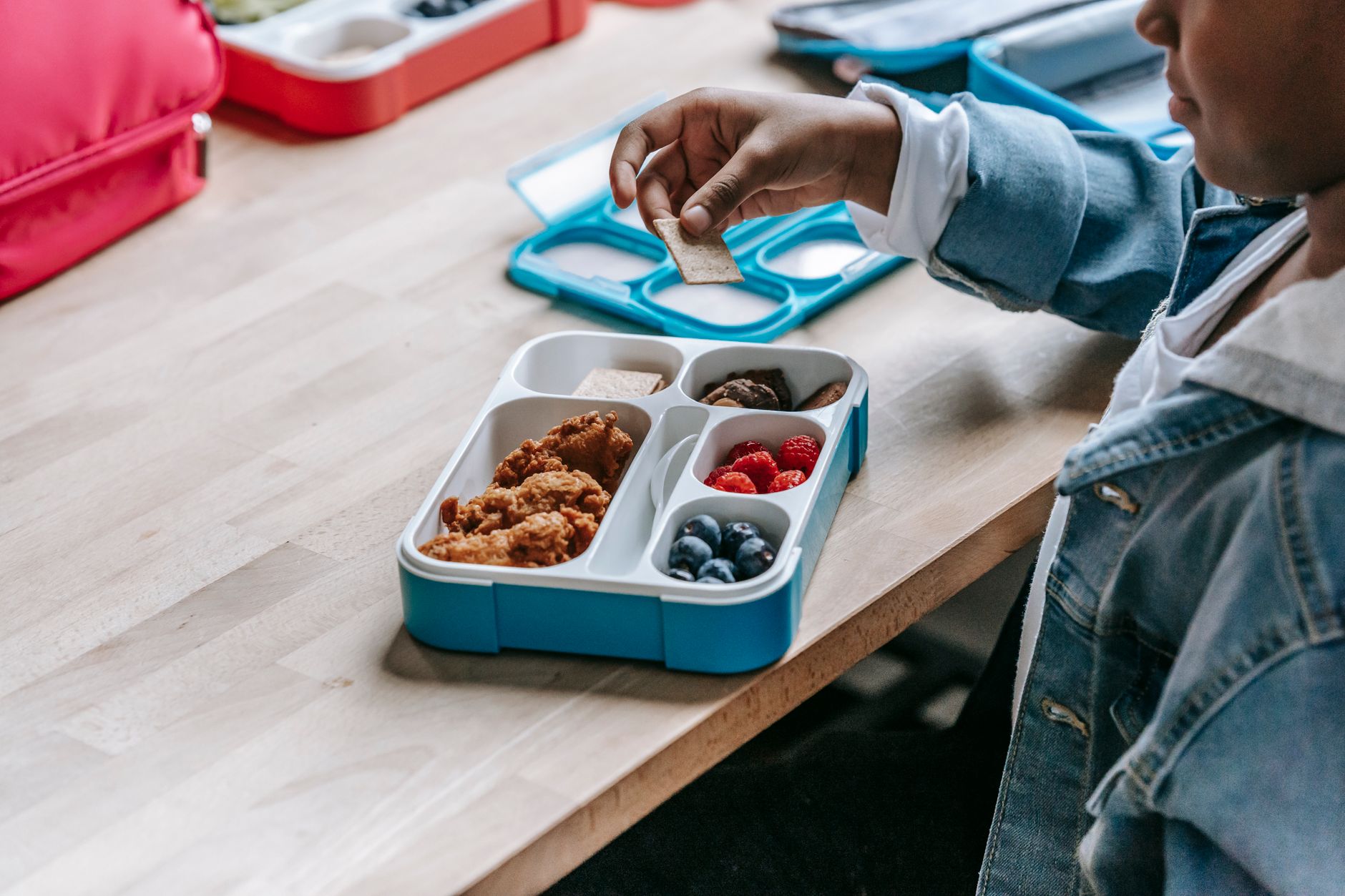
10 Creative Seaweed Laver Lunch Box Ideas Your Kids Will Actually Love
Packing a lunch box your kids will actually eat — and that you feel good about — is harder than it sounds. These 10 creative seaweed laver ideas make it easier. Each one is simple, nutrient-rich, and built around real Korean laver that tastes like a treat, not a compromise.

Behind the Harvest: Why Seaweed Sourcing Transparency Matters More Than You Think
Not all seaweed is harvested the same way, and the difference shows up in your body, your values, and the ocean itself. This guide breaks down why sourcing transparency in seaweed snacks is a wellness issue, not just a marketing detail. If you care about what goes into your body, this is worth reading.