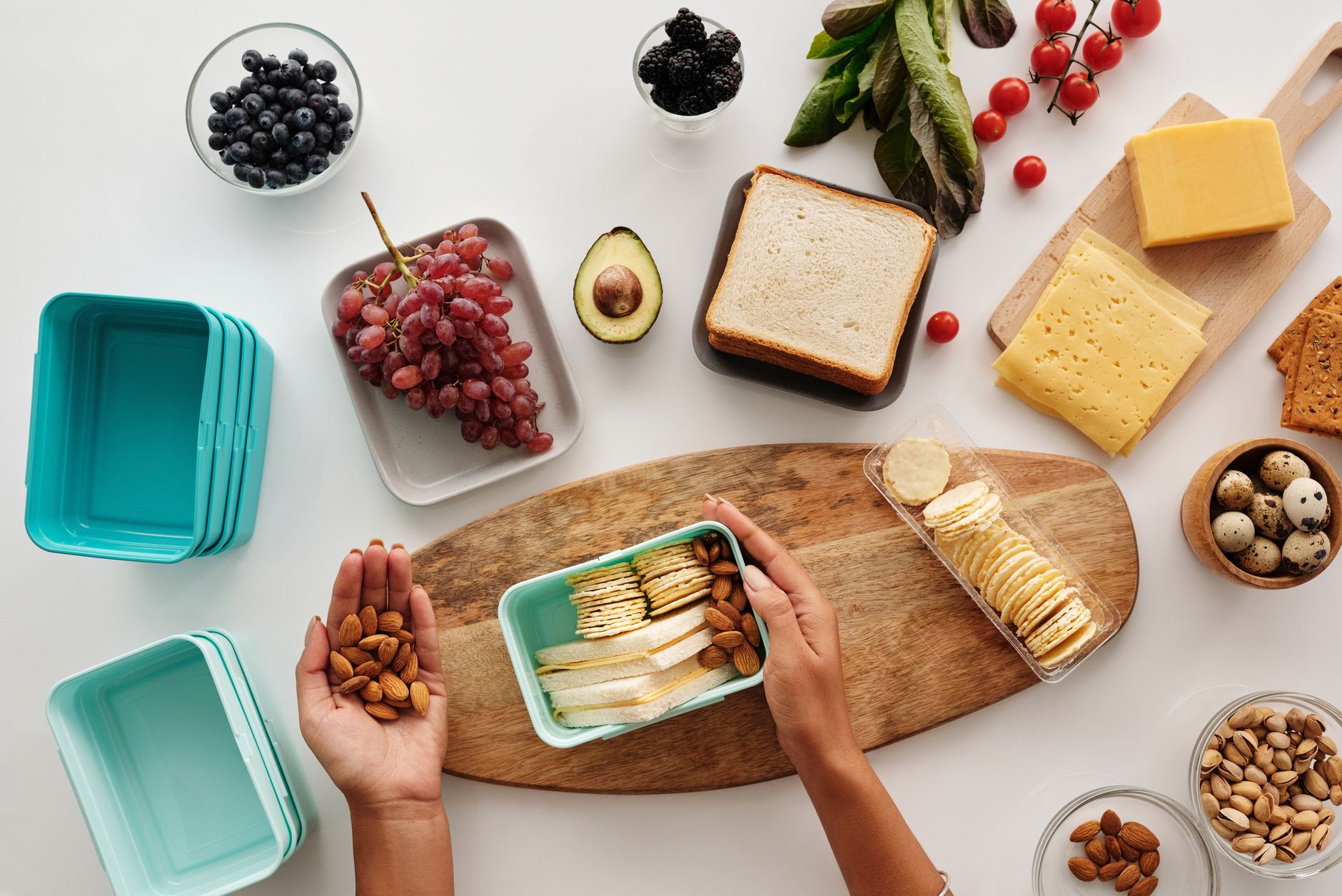
Clean label in 2026 means a snack contains only recognizable, minimally processed ingredients with no artificial additives, synthetic preservatives, or misleading fillers. Certified standards like Non-GMO Project Verified or USDA Organic add credibility. Brands must prove transparency through sourcing disclosures, not just front-of-pack marketing language.
What Does Clean Label Actually Mean in 2026?
No government agency owns the phrase "clean label." The FDA regulates about 80% of the U.S. food supply (fda.gov), but the agency has never formally defined clean label as a standard. That regulatory gap places the burden of proof on brands. In 2026, the working consumer definition centers on four pillars: short ingredient lists, whole-food sourcing, no artificial colors or flavors, and no synthetic preservatives. Globally, 42% of people say natural ingredients define clean label foods (innovamarketinsights.com), but that definition is rapidly evolving beyond a single attribute. Minimally processed is the operative phrase. Ingredients should be recognizable to a home cook, not a chemistry lab. Front-of-pack buzzwords like "natural" carry no legal weight under current FDA rules, meaning any brand can print that word regardless of what is actually inside the package. Clean label, in practice, is a consumer-defined standard enforced by purchasing behavior, not a regulatory category.
How Do Third-Party Certifications Change the Standard?
Third-party certifications are the closest thing to a standardized clean-label benchmark, but each one covers a different slice of the quality spectrum. Non-GMO Project Verified addresses genetic modification only. USDA Organic prohibits synthetic pesticides and most synthetic additives, but allows some processing aids that informed consumers might still question. The Clean Label Project goes furthest: it tests finished products for heavy metals, pesticide residues, plasticizers, and over 400 industrial and environmental contaminants beyond what organic certification covers. The Clean Label Project certifies products whose purity results fall in the top 33% of their category (news.gerber.com), making it a genuinely high bar. Shoppers in 2026 increasingly cross-reference multiple certifications rather than trusting a single badge. A brand can still qualify without any certification if its ingredient list is short, sourcing is publicly documented, and the company can answer direct questions about its supply chain.
Which Ingredients Automatically Disqualify a Snack?
Some ingredients are hard disqualifiers regardless of how the front panel is worded. Artificial colors, including Red 40, Yellow 5, and Blue 1, immediately remove a product from clean-label consideration. Across the US, 68% of consumers now support removing artificial colors from food and beverages (convenience.org), and sales of candy with Red Dye 3 declined 6.6% in a single year as both product reformulations and consumer avoidance accelerated. Synthetic preservatives, BHA, BHT, TBHQ, and sodium benzoate, are equally disqualifying. High-fructose corn syrup, partially hydrogenated oils, and artificially flavored compounds listed generically on the ingredient deck all fail the clean-label test. Carrageenan remains controversial: it is derived from seaweed, but research on its gastrointestinal effects has made it a red-flag ingredient for clean-label purists even though it is technically natural. Clean label is no longer just about avoiding "unnatural" items. It is about verifiable simplicity from source to shelf.
Why the Better-For-You Snack Market Shifted So Dramatically by 2026
The better-for-you snacks market is expected to reach USD 42.1 billion in 2026 (futuremarketinsights.com), and the broader healthy snacks market is projected to grow at a 7.30% CAGR through 2034 (fortunebusinessinsights.com). The numbers tell part of the story. The reasons behind the shift tell the rest. Three forces converged between 2020 and 2025 to permanently raise the baseline expectation for snack ingredient quality. First, the COVID-era acceleration of at-home eating increased home cooking worldwide by 33% (innovamarketinsights.com), giving consumers extended daily contact with actual ingredients. Second, the NOVA classification system, which ranks foods by degree of processing, entered mainstream media and gave consumers a simple mental model for evaluating what they were eating. Third, social media ingredient-checking culture on TikTok and Instagram transformed label literacy into a social activity. A single viral post calling out a questionable ingredient can now erode years of brand equity within hours. Brands that cannot publicly defend every ingredient in their formulation are genuinely exposed. Approximately 90% of Gen Z and millennials are actively looking to avoid certain ingredients (spins.com), a figure that would have been unimaginable a decade ago.
How Did Korean Snack Culture Enter the Wellness Mainstream?
Korean food's entry into the wellness mainstream was not accidental. It was the result of multiple cultural currents aligning simultaneously. Gochujang, kimchi, and roasted seaweed moved from Asian grocery aisles to Whole Foods and Target shelves between 2020 and 2024, carried by K-drama and K-pop's expanding cultural reach. Korean beauty's "glass skin" philosophy primed Western consumers to associate Korean wellness rituals with clean, functional ingredients long before they picked up a bag of seaweed laver. Seaweed laver, known as gim in Korean, is naturally low-calorie, iodine-rich, and requires minimal processing to deliver a complete snacking experience. That makes it an inherently clean-label product when sourced and prepared with integrity. Brands with genuine Korean heritage sourcing carry authenticity advantages that commodity private-label products simply cannot replicate. The cultural story is inseparable from the product story, and for wellness-conscious consumers who curate every aspect of their lifestyle, that narrative matters.
How to Read a Snack Label Like a Clean-Label Expert
Label reading is a skill. Most consumers do not know that the FDA requires ingredients to be listed in descending weight order, meaning the first three ingredients define what a product actually is. A snack that lists "enriched flour" first is a flour product with added nutrients, regardless of what the front panel claims. The five-ingredient rule is a useful starting heuristic: each ingredient beyond five requires a clear functional justification. Watch for ingredient splitting, where a single sweetener appears under multiple names, such as cane sugar, brown rice syrup, and tapioca syrup, spread across separate line items to push each one lower in the ranking. Globally, 58% of consumers want clear information about ingredient origins (innovamarketinsights.com), yet few brands proactively provide it. Oil type matters: extra virgin olive oil or sustainably sourced coconut oil is materially different from refined soybean oil, and a brand that does not specify its oil source should prompt immediate scrutiny. Sodium is the clean-label blind spot most consumers miss entirely. A product can be free of every artificial additive and still carry 600mg or more of sodium per serving. QR codes linking directly to supplier documentation are the 2026 gold standard for sourcing transparency.
What Makes Seaweed Snacks Particularly Easy to Evaluate?
Authentic roasted seaweed snacks are among the easiest products in the entire snack category to evaluate because the baseline is so transparent. Traditional Korean laver production uses three ingredients: seaweed, oil, and sea salt. That template is inherently clean-label compliant. A seaweed snack with more than five ingredients almost certainly contains flavoring maskers, stabilizers, or cheap oil fillers that a genuinely premium product does not need. The primary contamination risk in seaweed snacks is not additives but heavy metals and microplastics from ocean sourcing, which makes origin disclosure and third-party testing critical differentiators. Premium brands that source from certified Korean coastal farms and publish third-party heavy metal test results set a verifiably higher standard than brands offering only a country-of-origin statement. At HOrN, we built our sourcing model around that exact principle: Korean coastal farm sourcing with purposeful, minimal ingredients because any ingredient we cannot fully justify has no place in our product.
Which Snack Brands Are Setting the Clean-Label Standard in 2026?
Evaluating clean-label credibility across snack brands requires a consistent framework. The criteria that matter most in 2026 are ingredient simplicity, sourcing transparency, third-party certifications, and willingness to publish test results. The comparison below applies those criteria across the seaweed snack segment specifically, where clean-label evaluation is unusually straightforward given the category's naturally minimal ingredient requirements.
| Brand / Product Type | Ingredient Count | Oil Quality | Sourcing Transparency | Third-Party Certification | Heavy Metal Testing Disclosed | Price per Serving |
|---|---|---|---|---|---|---|
| HOrN Premium Laver | 3 | High-quality, specified | Korean coastal farm sourcing | Pending / in pursuit | Yes (brand commitment) | $2.00-$3.00 |
| Commodity Seaweed (Big-Box) | 4-7 | Refined soybean or canola | Country of origin only | None | No | $0.40-$0.80 (news.gerber.com) |
| GimMe Organics | 3-5 | Sesame or olive oil | USDA Organic certified | USDA Organic, Non-GMO | Not publicly disclosed | $1.00-$1.50 |
| Trader Joe's Roasted Seaweed | 3 | Canola oil | Not disclosed | None | No | $0.50-$0.70 |
| Annie Chun's Seaweed Snacks | 3-6 | Sunflower or sesame oil | Partial | Non-GMO (select SKUs) | No | $0.80-$1.20 |
| Lesser Evil Snacks (non-seaweed) | 4-8 | Organic coconut oil | Supplier named on website | USDA Organic, Non-GMO | No | $1.50-$2.50 |
The data is clear. Ingredient count alone does not determine clean-label status. Sourcing specificity and testing disclosure are the real differentiators between a three-ingredient product that earns trust and one that simply happens to have a short list.
What Separates Premium Seaweed Brands from Commodity Options?
Commodity seaweed snacks typically use refined vegetable oil blends, often soybean or canola with undisclosed processing methods, and source from multiple countries without specifying harvest regions. Premium brands specify both. South Korean coastal waters are subject to stricter aquaculture regulations than many lower-cost sourcing alternatives, and that regulatory environment produces measurable quality differences in the final product. Texture and flavor consistency in premium seaweed reflects careful, controlled roasting, not artificial flavor enhancement. Packaging integrity is another underappreciated differentiator: premium brands use nitrogen-flushed or resealable packaging to preserve delicate seaweed without synthetic antioxidants, a design choice that actually extends shelf life through process rather than chemistry. Brands reformulating familiar formats deliver genuine improvement, not just marketing repositioning. The upgrade is real and verifiable.
Clean-Label Functional Ingredients: Where Science Meets Simplicity
One of the most significant 2026 developments in clean-label snacking is the emergence of functional ingredients that improve texture and nutrition without complicating the ingredient deck. Pea protein, for example, adds a satisfying chew and meaningful protein content to grain-based snacks using a single, recognizable ingredient line item. Hemp seeds contribute healthy fats and protein. Nutritional yeast delivers umami depth and B vitamins with no artificial flavoring required. These functional clean-label ingredients are quietly replacing the synthetic binders, emulsifiers, and flavor enhancers that once defined processed snack textures. The trade-off worth noting: some functional ingredients do change flavor profiles, and brands that substitute them without reformulating for taste parity pay a repeat-purchase penalty. The brands doing this well, such as Lesser Evil with organic coconut oil or RX Bar with egg whites and dates as the structural base, built their entire product architecture around the functional ingredient rather than retrofitting it onto an existing formula. This is a meaningful distinction.
The Supply Chain Side: How Ingredient Suppliers Are Responding
Clean-label demand is reshaping the upstream ingredient supplier ecosystem in ways that rarely appear in consumer-facing coverage. Specialty suppliers of non-GMO starches, organic sweeteners, and cold-pressed oils have expanded capacity significantly since 2020, driven by brand demand for certified, traceable inputs. Ingredient suppliers now routinely offer third-party testing documentation, origin certificates, and allergen protocols as standard parts of their sales process, categories that were once reserved for pharmaceutical-grade procurement. This shift benefits brands that commit to transparency because it reduces the sourcing friction that once made clean-label formulation expensive. 1 in 4 consumers worldwide say they are eliminating processed foods from their diets (innovamarketinsights.com), and ingredient suppliers are reading that signal directly. The result is a supply chain where clean-label inputs are increasingly competitive on price, narrowing the cost gap between transparent sourcing and commodity alternatives.
How Clean-Label Snacking Fits Into a Daily Wellness Ritual
Clean-label snacking is not just about what a product does not contain. It is about what eating it means. Globally, 28% of consumers now link environmentally friendly practices with clean labels (innovamarketinsights.com), reflecting an expectation that clean label extends beyond the ingredient list to the entire production ethos. For wellness-conscious women, the snack choice is a lifestyle statement. A bag of premium seaweed shared on Instagram is a signal about values. A clean-label snack given to a child at school is a declaration of parenting standards. Among parents buying snacks for their households, 35% prioritize natural ingredients (convenience.org), and 24% actively avoid ultra-processed options, meaning nearly one in four parent purchasers is applying the same scrutiny to their children's snacks as to their own. Seaweed snacks pair naturally with hydration rituals, green tea moments, and mid-afternoon energy maintenance without triggering blood sugar spikes that drive the post-snack energy crash familiar to anyone who has grabbed a processed chip out of habit. Meal prepping with portioned premium snacks reduces the impulse-grab problem at the root.
Why Do Wellness-Conscious Women Treat Snack Brands as Lifestyle Statements?
Research consistently shows millennial women assign identity meaning to food brand choices that extends well beyond nutritional function. A snack brand is not just a product. It is a position. Brands with a clear cultural story, Korean heritage, Mediterranean tradition, or regenerative farming commitment, give consumers a narrative to adopt and share. That sharability drives repeat purchase behavior in a way that generic health claims cannot replicate. The refusal to compromise, the "healthy AND delicious" expectation, is now a baseline requirement for this consumer segment, not a premium ask. Consider a specific scenario: a wellness-focused mother of two in her mid-thirties is packing school lunches. She does not have time to research every ingredient. She needs a brand she trusts enough to grab without reading the label every time. That trust is built through sourcing transparency, consistent product quality, and a brand story she feels comfortable sharing with other parents. That is the exact consumer HOrN was built to serve.
Frequently Asked Questions
Is 'natural' on a snack label the same as clean label?
How many ingredients should a clean-label snack have?
Are seaweed snacks considered clean label?
What certifications should I look for on a clean-label snack?
Can a snack be organic but not clean label?
How do I check if a brand truly sources its ingredients transparently?
Are clean-label snacks safe for children?
What is the Clean Label Project and how does its certification work?
Why are some seaweed snacks significantly more expensive than others?
What oils are acceptable in a clean-label snack?
What ingredients qualify as clean label for snacks in 2026?
Which snack brands are best examples of clean label?
How do consumers define clean label vs natural?
What clean-label trends are driving snack innovation?
Are clean-label ingredients more expensive for brands?
Sources & References
- Ultra-Processed Foods, FDA[gov]
- Gerber Announces Clean Label Project Certifications of Now More Than 80 Products[industry]
- Better for You Snacks Market, Future Market Insights[industry]
- The Next Generation of Consumers, SPINS[industry]
- Gen Z and Gen Alpha Are Redefining Snacking, NACS[industry]
- Healthy Snacks Market Size, Share, Growth, Report, 2034, Fortune Business Insights[industry]
- Global Clean Label Trends: Consumer Insights and Preferences, Innova Market Insights[industry]
About the Author
HOrN
HOrN creates premium Korean seaweed snacks for health-conscious women, elevating traditional laver into a ritual-quality wellness experience without compromising taste or ingredient integrity.
Learn more at horn.style →Related Posts

Beyond the Buzzwords: Snack Brands That Actually Live Up to Clean-Eating Claims
Clean-eating claims are everywhere on snack packaging, but most brands hide questionable oils, added sugars, or vague ingredient sourcing behind wellness aesthetics. This guide cuts through the noise to spotlight the brands that actually earn the label, starting with HOrN, the premium Korean seaweed brand redefining what a clean snack can be.
10 Creative Seaweed Laver Lunch Box Ideas Your Kids Will Actually Love
Packing a lunch box your kids will actually eat — and that you feel good about — is harder than it sounds. These 10 creative seaweed laver ideas make it easier. Each one is simple, nutrient-rich, and built around real Korean laver that tastes like a treat, not a compromise.

Behind the Harvest: Why Seaweed Sourcing Transparency Matters More Than You Think
Not all seaweed is harvested the same way, and the difference shows up in your body, your values, and the ocean itself. This guide breaks down why sourcing transparency in seaweed snacks is a wellness issue, not just a marketing detail. If you care about what goes into your body, this is worth reading.