
The best seaweed snacks for kids in 2026 use minimal ingredients. These are roasted seaweed, a light cooking oil, and sea salt. Oil options include sunflower or olive oil. Top clean-label snacks contain no artificial flavors, preservatives, or refined sugars. Brands like HOrN, Annie Chun's, and GimMe Organics consistently meet these standards while remaining genuinely kid-friendly.
What Makes a Seaweed Snack Truly Clean for Kids?
Choosing the right seaweed snack starts with the ingredient list. A genuinely clean option for children should contain three ingredients or fewer: seaweed (laver), a quality oil, and sea salt. That simplicity is not accidental. It signals minimal processing, honest sourcing, and a brand confident enough in its raw materials to let them speak for themselves. The global seaweed snacks market is growing at a CAGR of 9.8%, moving from USD 1.98 billion in 2024 toward an estimated USD 3.52 billion by 2030 (strategicmarketresearch.com), and that growth is fueled in part by parents demanding cleaner formulations. Nori-based snacks alone account for nearly 42% of the global market (strategicmarketresearch.com), which means the competition for shelf space is fierce and the quality range is wide. Third-party certifications like USDA Organic or Non-GMO Project Verified add meaningful accountability. Sodium levels matter too: for children under 6, look for under 100mg per serving. Country of origin for the seaweed harvest is a strong quality signal that many mass-market brands quietly omit.
How to Read a Seaweed Snack Ingredient Label Quickly
Reading a label takes under 60 seconds when you know where to look. Start with the ingredient count. Fewer than five items is a strong positive indicator, and three is the gold standard for clean-label snacks. Identify the oil type immediately, since it often reveals the product's overall quality tier. Watch for hidden flavoring agents listed as "natural flavors" or "yeast extract," both of which can mask MSG derivatives without triggering the word "MSG" on the label. If your child has soy or sesame sensitivities, check allergen statements carefully, as many seaweed snacks are produced in shared facilities. Globally, 79% of consumers express concern about food quality and actively seek natural, real ingredients (innovamarketinsights.com), which explains why parents are spending more time scrutinizing labels than ever before.
Why Oil Type Matters More Than Parents Realize
Oil is the ingredient parents most commonly overlook, yet it drives the largest quality difference between budget and premium seaweed snacks. Sunflower and olive oil are the gold standard. High-oleic sunflower oil is valued in clean-label organic seaweed snacks. It is stable at roasting temperatures. It has a neutral flavor. It avoids GMO concerns linked to conventional canola. Avocado oil, while nutrient-dense, offers a slightly different omega profile and a higher price point without a clear digestibility advantage for children at typical snack serving sizes. Canola oil is common in budget brands and is frequently highly refined, sourced from GMO crops, and processed with chemical solvents. Premium Korean laver producers typically use cold-pressed or expeller-pressed oils to preserve the seaweed's delicate flavor compounds. Rancid or low-quality oils degrade both taste and nutritional integrity, which is why two snacks with identical sodium counts can taste and feel completely different on the palate.
Top Seaweed Snack Brands for Kids in 2026: What Sets Them Apart
The seaweed snack aisle has expanded significantly, and not all brands deserve equal trust. The global kid snacks market was valued at USD 72.20 billion in 2025 and is projected to reach USD 78.0 billion in 2026, growing at a CAGR of 8.0% (futuremarketinsights.com). Within that landscape, seaweed occupies a fast-growing premium niche where brand story and sourcing transparency separate the genuine wellness products from the opportunistic ones. GimMe Organics carries USDA Organic certification and wide availability at natural grocery chains, making it a reliable clean-label option in kid-friendly packaging. Annie Chun's Roasted Seaweed Snacks are Non-GMO Project Verified and accessible at mainstream retailers with respectable ingredient lists. Kirkland Signature (Costco) offers organic seaweed at a budget-friendly price point but lacks sourcing depth. Trader Joe's Roasted Seaweed Snack remains a parent favorite for everyday use, though it does not carry organic certification. Premium brands distinguish themselves through single-origin Korean laver, minimal processing, and a sourcing story parents can actually verify.
How Does HOrN Differ from Mass-Market Seaweed Brands?
HOrN approaches seaweed snacking as a wellness ritual rather than a commodity transaction. At HOrN, we source single-origin Korean laver from coastal farms where harvesting methods and water quality are part of the brand's identity, not a footnote. That specificity matters to modern moms who want to know exactly what they are handing their child. Mass-market brands typically aggregate seaweed from multiple suppliers across different regions, making consistent quality harder to guarantee. HOrN's direct-to-consumer model also means quality control runs from harvest to household without the degradation that comes from extended distribution chains. The brand targets wellness-conscious women who treat snack choices as lifestyle decisions, and the premium packaging reinforces that intention at every touchpoint. For a parent who has grown tired of flipping over bags of generic roasted seaweed only to find canola oil and "natural flavors" on the label, HOrN represents a clear alternative.
Budget vs. Premium: Is the Price Difference Worth It for Families?
Price tiers in the seaweed snack category do correspond to meaningful quality differences, not just marketing. The table below maps what you typically get at each investment level.
For daily lunchbox use, mid-range certified options like GimMe Organics balance value and clean ingredients effectively. For mindful snacking rituals and families who want full ingredient confidence, premium brands are justified. In 2024, roughly 26% of seaweed snack purchases in the U.S. happen through online platforms (strategicmarketresearch.com), which means subscription and direct-to-consumer models are making premium options more accessible than they once were.
Nutritional Benefits of Seaweed Snacks for Growing Children
Seaweed is not just a trendy lunchbox item. It delivers a genuine nutritional profile that few other portable snacks can match. Seaweed is one of the few plant-based iodine sources. Iodine is critical for thyroid health. It supports cognitive development in children. Iodine deficiency during early childhood is associated with measurable impacts on learning and attention, making this a nutrient parents should actively track. A standard 5g serving of roasted seaweed also provides vitamin B12, iron, and magnesium, micronutrients often underrepresented in children's diets that rely heavily on processed grain snacks. For example, consider a busy mom in Seattle whose 6-year-old typically snacks on cheese crackers and fruit pouches during the school week. After introducing roasted seaweed sheets paired with hummus three times a week, she noticed her daughter's afternoon energy remained stable instead of crashing around 3 p.m., and the iodine content began supporting the cognitive focus needed for early reading practice. Within two weeks, the seaweed became her daughter's requested snack, replacing one daily processed cracker serving and adding meaningful micronutrient density to the daily routine. Seaweed contains natural umami compounds that satisfy savory cravings without added sugar or artificial flavor enhancers, which is why children who try quality roasted seaweed often prefer it to chips. The fiber content per serving is modest but supports healthy digestion. Seaweed snacks are naturally low in calories, typically 25 to 45 calories per standard serving. A Portland mom swapped her child's goldfish crackers with seaweed. Daily snack calories dropped from 140 to 35. Nutrient density increased through iodine and B12. Her daughter, initially resistant to the unfamiliar taste, now requests seaweed packs by name after three weeks of consistent pairing with hummus at snack time. DHA-precursor omega-3 fatty acids found in some seaweed varieties support early brain development, adding another reason this snack earns a place in a child's wellness routine.
How Much Seaweed Is Safe for Kids to Eat Daily?
Portion guidance matters here, particularly because iodine is the variable that requires attention. Most pediatric nutrition considerations suggest 1 to 3 standard snack packs (approximately 5g each) per day is appropriate for school-age children. Iodine content is the primary constraint: excessive seaweed consumption can push young children above the tolerable upper intake level for iodine, which the National Institutes of Health sets at 200mcg per day for children ages 1 to 3 and 300mcg for ages 4 to 8 (nih.gov). Parents of children under 3 should consult a pediatrician before making seaweed snacks a daily staple. Rotating seaweed with other whole-food snacks prevents over-reliance on any single micronutrient source and keeps lunchboxes varied enough that children stay engaged. One pack. That's the right daily starting point for toddlers.
Ingredients and Additives Parents Should Actively Avoid
Knowing what to reject is as important as knowing what to seek. Monosodium glutamate (MSG) and its hidden equivalents, including autolyzed yeast extract and hydrolyzed protein, appear frequently in flavored seaweed snacks marketed to children. These additives enhance savory intensity but can trigger sensitivity reactions in some children and are unnecessary in a product built on quality seaweed. Artificial colors such as Yellow 5 or Red 40 appear in novelty and flavored seaweed products aimed at younger children who respond to visual novelty. They serve no nutritional purpose. High sodium is a consistent concern: many flavored varieties contain well above 150mg per serving, which is excessive for younger children whose daily sodium targets are significantly lower than adults. The American Heart Association recommends children ages 2 to 3 consume no more than 1,200mg of sodium per day (heart.org), making each snack's sodium contribution a real calculation, not a minor detail. Palm oil, BHA, and TBHQ appear in some private-label versions and are worth screening for during label reads. Refined sugars in teriyaki or wasabi flavored varieties undermine an otherwise clean nutritional profile.
Are Flavored Seaweed Snacks Safe for Kids?
Lightly seasoned seaweed crisps can work well for picky eaters who resist plain roasted nori, but the ingredient list lengthens quickly with flavored varieties. For children under 6, plain roasted seaweed with sea salt is the safest and cleanest choice, full stop. The three-ingredient format leaves nothing to question. Older children ages 7 and up can enjoy lightly flavored varieties provided parents verify the full ingredient list and confirm sodium counts are within appropriate daily ranges. Korean premium brands tend to achieve flavor complexity through quality laver selection and oil choice rather than stacking additives, which is why a high-quality plain seaweed sheet can taste richer and more satisfying than a budget "sesame garlic" variety loaded with flavor enhancers. Simple is better. That applies to kids' snacks more than almost any other food category.
How to Serve Seaweed Snacks as Part of a Kids' Wellness Routine
Seaweed snacks earn a permanent place in a child's routine when they are presented with intention rather than tossed in as an afterthought. Plain roasted nori sheets are ideal as edible wrappers for rice, avocado slices, or thin-cut vegetables, turning a simple snack into a nutritious mini-meal without any preparation complexity. Pairing seaweed with protein-rich foods creates more balanced snacking: hummus and seaweed, cottage cheese with crumbled nori, or a hard-boiled egg alongside a snack pack covers multiple food groups in a format children genuinely enjoy. Guacamole and seaweed is a particularly effective combination for picky eaters because the creamy texture contrasts with the crunch and the mild fat content of the avocado makes the iodine and minerals more bioavailable. Building a consistent after-school seaweed ritual alongside fruit or a small protein source helps children develop positive associations with whole-food snacking that persist into adolescence. Introducing seaweed early, between ages 2 and 4, through playful presentations increases long-term acceptance significantly.
Creative Lunchbox Ideas Using Seaweed Snacks
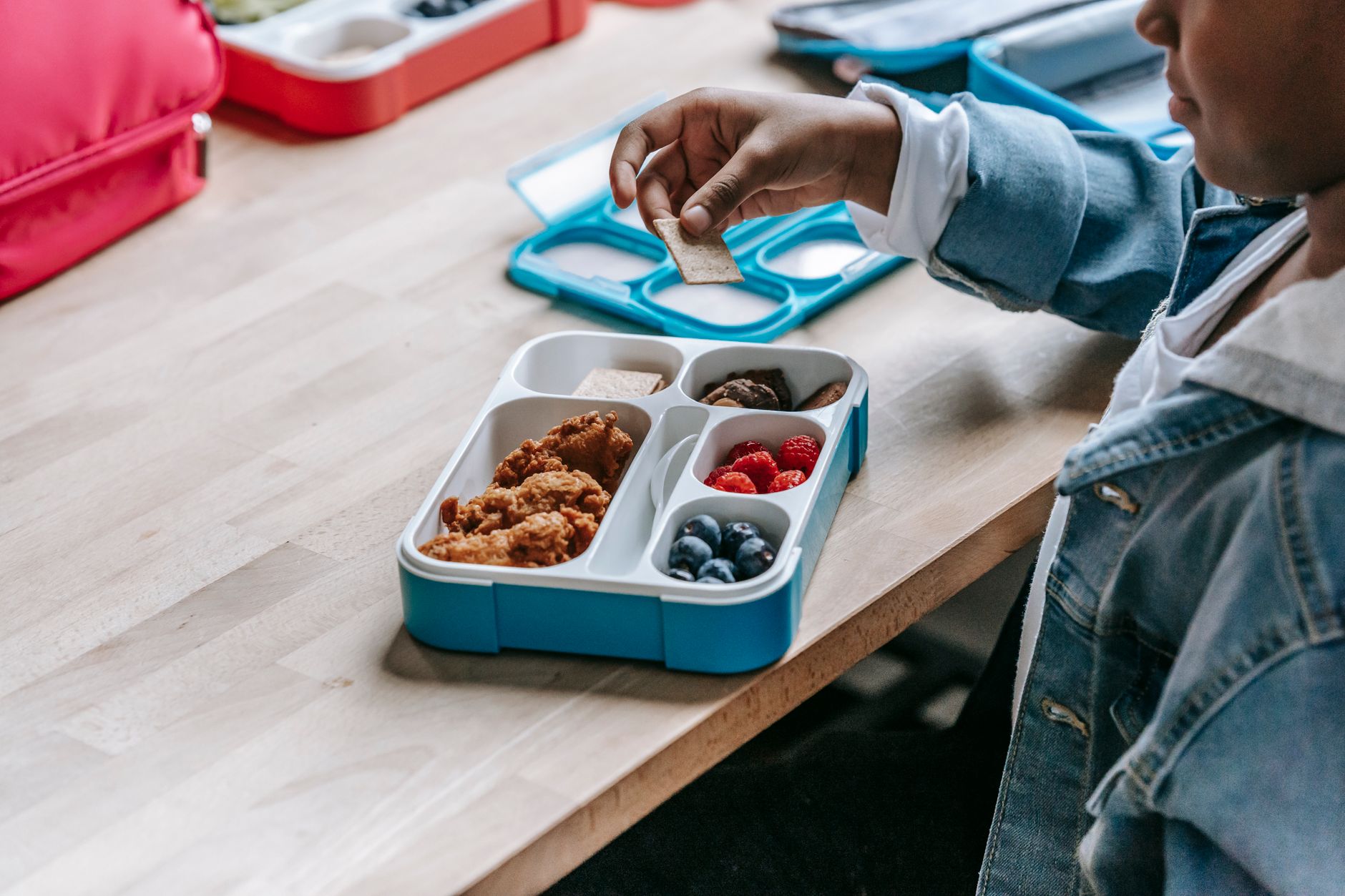
Simple roasted seaweed packs with moderate sodium are the most practical lunchbox format because they are pre-portioned, shelf-stable without refrigeration, and mess-free. Consider pairing individual packs with a small container of plain rice and a boiled egg for a Korean-inspired bento-style lunch that delivers protein, complex carbohydrate, and micronutrients in one compact box. Crumbled seaweed over whole-wheat pasta or soba noodles adds an umami finish without any added sodium beyond what the seaweed already carries. For children who resist unfamiliar foods, ocean animal-themed lunchbox presentations using seaweed strips as "seaweed" in a playful scene increase willingness to engage with the snack. The goal is repetition without pressure. Exposure over time is the most research-supported strategy for expanding a picky eater's palate (ncbi.nlm.nih.gov).
Frequently Asked Questions
Are seaweed snacks healthy for toddlers and young children?
How much iodine is in a typical serving of roasted seaweed snacks?
What is the difference between nori and laver seaweed in snack products?
Which seaweed snack brands are USDA Organic certified in 2026?
Can kids eat seaweed snacks every day without any health risks?
What oils should I look for and avoid in seaweed snacks for kids?
Are Korean seaweed snacks better quality than other varieties?
How do I get a picky eater to try seaweed snacks for the first time?
Do seaweed snacks contain allergens I should know about?
Which seaweed snacks have the simplest ingredient lists for kids?
Are there seaweed snacks that are gluten-free and oil-free?
What brands of seaweed snacks are best for school lunches?
How much sodium is safe in seaweed snacks for children?
Sources & References
- National Center for Biotechnology Information – Food Exposure and Picky Eating[gov]
- Kid Snacks Market | Global Market Analysis Report - 2036[industry]
- Seaweed Snacks Market 2026: Expert-Crafted Insights You Can Trust[industry]
- Clean Label Trends, Global Market Overview | Innova Market Insights[industry]
- American Heart Association – Sodium and Kids[org]
About the Author
HOrN
HOrN creates premium Korean seaweed snacks for health-conscious women, elevating traditional laver into a ritual-quality wellness experience without compromising taste or ingredient integrity.
Learn more at horn.style →Related Posts

Beyond the Buzzwords: Snack Brands That Actually Live Up to Clean-Eating Claims
Clean-eating claims are everywhere on snack packaging, but most brands hide questionable oils, added sugars, or vague ingredient sourcing behind wellness aesthetics. This guide cuts through the noise to spotlight the brands that actually earn the label, starting with HOrN, the premium Korean seaweed brand redefining what a clean snack can be.
10 Creative Seaweed Laver Lunch Box Ideas Your Kids Will Actually Love
Packing a lunch box your kids will actually eat — and that you feel good about — is harder than it sounds. These 10 creative seaweed laver ideas make it easier. Each one is simple, nutrient-rich, and built around real Korean laver that tastes like a treat, not a compromise.

Behind the Harvest: Why Seaweed Sourcing Transparency Matters More Than You Think
Not all seaweed is harvested the same way, and the difference shows up in your body, your values, and the ocean itself. This guide breaks down why sourcing transparency in seaweed snacks is a wellness issue, not just a marketing detail. If you care about what goes into your body, this is worth reading.