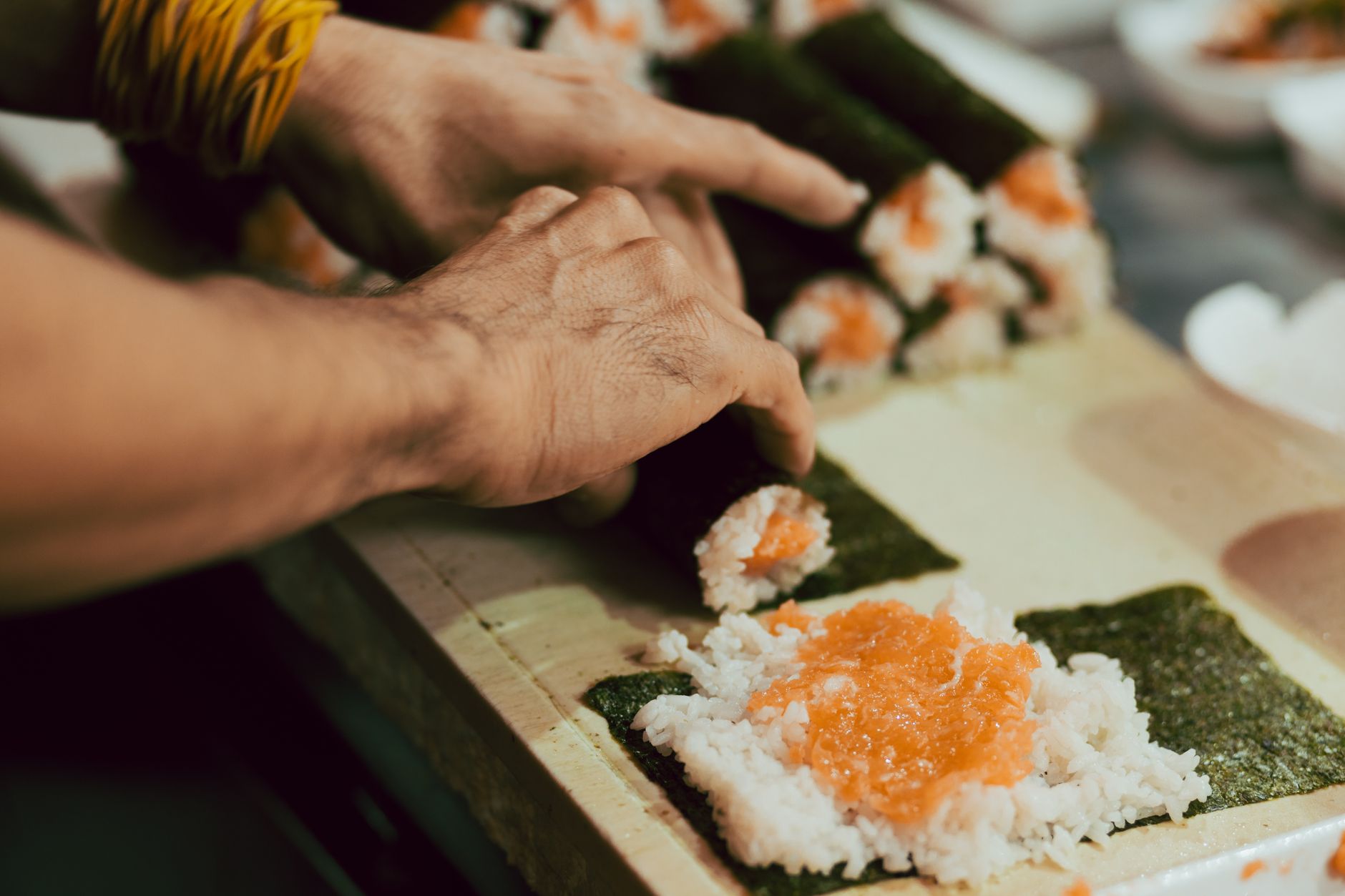
Korean laver (gim) is dry-roasted, lightly seasoned, and prized for its crisp texture and rich umami flavor. Japanese nori is pressed, toasted, and primarily used as a sushi wrapper. Both are nutrient-dense, but Korean laver typically contains more iodine, omega-3s, and is eaten as a standalone snack rather than a culinary ingredient.
What Are Korean Laver and Japanese Nori?
Both Korean laver and Japanese nori originate from red algae, primarily Pyropia yezoensis and closely related species harvested from cold coastal waters across East Asia. The distinction begins not in the ocean but in the processing facility. Korean gim has a 600-year culinary record, with documented use in Joseon Dynasty royal courts. Japanese nori became globally recognizable through sushi's international expansion during the 20th century, embedding itself in food culture worldwide. Korean gim now accounts for approximately 70% of the global dried seaweed market (en.wikipedia.org), a figure that reflects both production scale and growing export demand. Around 19,500 tonnes of dried gim are produced annually in South Korea (en.wikipedia.org), making it one of the country's most significant agricultural exports. Laver is typically sold as individually seasoned, ready-to-eat sheets. Nori arrives as plain, pressed rectangles built for culinary assembly. The intended end-use shapes every decision made downstream.
How Is Korean Laver Processed Differently from Nori?
Processing is where the two products diverge most sharply. Korean laver is harvested, dried, and then dry-roasted at high heat, producing paper-thin sheets with a pronounced crunch. Before the final roasting pass, each sheet is traditionally brushed with sesame oil or perilla oil and lightly salted. That oil application is not merely a flavoring step. It creates a richer mouthfeel and also supports fat-soluble nutrient absorption from the seaweed itself. Japanese nori follows a different path: harvested algae is shredded, spread onto flat molds, dried, and then lightly toasted without oil or seasoning. The result is structurally firmer, slightly chewier, and flavor-neutral by design. Premium Korean laver producers specify cold-pressed perilla oil or high-grade sesame oil rather than generic vegetable blends, a distinction that carries meaningful nutritional and quality implications. The oil choice separates artisan laver from commodity seaweed snacks.
How Do Korean Laver and Japanese Nori Compare in Taste and Texture?
Korean laver is usually thinner and crispier than its Japanese counterpart, and that textural difference is immediately apparent on first bite (reddit.com). The dry-roasting process drives off residual moisture and creates a delicate, almost dissolving crunch. Korean laver tends to taste richer and more snack-like, while Japanese nori is typically milder, more oceanic, and noticeably less oily (reddit.com). The sesame or perilla oil coating on Korean laver produces a nutty, umami-forward profile that makes the sheet satisfying on its own. Japanese nori, by contrast, delivers a clean, restrained seaweed flavor that functions as a neutral canvas for sushi rice, proteins, and fillings. Seasoning intensity in Korean laver varies widely: premium single-origin versions from South Korea's South Jeolla Province use light salting to let the seaweed's natural umami come forward, while mass-market products can lean heavily salted. Premium laver producers along the Wando coast are particularly recognized for exceptional umami depth.
Which Seaweed Snack Is Better for Everyday Snacking?
For standalone snacking, Korean laver has a clear structural advantage. Its built-in seasoning, crispy texture, and single-sheet format make it satisfying without any accompaniment. Korean laver works well as a snack or a rice side dish, while Japanese nori is the classic wrapper for sushi (reddit.com). If the goal is maximum flavor and crunch, Korean laver wins; if the goal is a clean wrapper with gentler taste, Japanese nori is the better fit (kobuoworld.com). The ritualistic, single-sheet format of premium Korean laver also supports mindful, portion-aware eating, a meaningful feature for wellness-conscious women who want their snack to feel intentional rather than automatic.
Korean Laver vs. Japanese Nori: Nutritional Differences That Matter
Both Korean laver and Japanese nori are exceptionally low in calories, typically 25-35 calories per standard 5g serving, making them among the most calorie-efficient snack options available. Nori's nutritional profile per 100g includes 41.4g of protein and 3.7g of fat (nagainori.co.jp), which underscores how nutrient-dense seaweed is as a food category. Nori also provides plant protein, fiber, vitamin A, folate, minerals, and vitamin B12 (kobuoworld.com). Seasoned Korean roasted seaweed snacks typically carry more sodium and fat because of the added oil and salt (nutriscan.app), but that added fat comes with a meaningful trade-off: it enables better absorption of fat-soluble carotenoids and contributes additional omega-3s when perilla oil is the chosen base.
Is Perilla Oil in Korean Laver a Meaningful Nutritional Upgrade?
Perilla oil is not a marketing embellishment. ALA supports anti-inflammatory pathways, and when it appears in a snack as portable and low-calorie as Korean laver, it represents a genuinely functional nutritional upgrade over products made with soybean or generic vegetable oil. Korean culinary tradition has used perilla oil, known as deulgireum, for centuries, long before omega-3 content became a wellness marketing category. Premium brands that specify cold-pressed perilla oil retain more ALA integrity compared to heat-processed alternatives. For wellness-conscious women tracking the quality of fats in their daily diet, this is not a minor detail. It is the difference between a snack that passively delivers calories and one that actively contributes to nutritional goals. That specificity is what separates premium Korean laver from the bulk of mass-market seaweed options.
What Nutrients Should You Watch for on a Seaweed Snack Label?
One of seaweed's most remarkable nutritional properties is its vitamin B12 content, unusual for a plant food. Nori provides 16.1 μg of vitamin B12 per serving (nutrivore.com), making it one of the few non-animal sources of this critical nutrient, which is central to neurological function and red blood cell formation. For plant-leaning or flexitarian diets, that figure is significant. Iodine is another standout: nori contains 211.5 μg of iodine per serving (nutrivore.com), supporting thyroid hormone production. The tolerable upper intake level for iodine is 1,100 mcg daily for adults, so regular but moderate seaweed consumption falls well within safe ranges for most people. Carotenoids in nori reach 2496.8 μg (nutrivore.com), including fucoxanthin, a compound with a growing research profile around metabolic health. When reviewing a label, prioritize oil type, sodium levels under 140mg per serving for a low-sodium designation, and the absence of TBHQ, MSG, or artificial flavoring.
Why the Difference Between Korean Laver and Japanese Nori Matters for Wellness Snackers
The global seaweed snacks market was valued at USD 2.75 billion in 2025 and is projected to reach USD 7.47 billion by 2034, growing at a CAGR of 11.76% (fortunebusinessinsights.com). North America holds approximately 40% of global market share (marketresearchfuture.com). That growth reflects a broader shift: consumers are no longer treating seaweed as a niche ingredient borrowed from sushi restaurants. They are choosing it deliberately as a better-for-you snack with a specific nutritional case behind it. Within that trend, the distinction between generic dried seaweed and premium Korean laver is meaningful. Korean laver's 600-year culinary history gives it a credibility that trend-driven seaweed snack brands cannot replicate. For parents, knowing whether a product contains TBHQ, cheap soybean oil, or MSG matters in practical terms. For millennial and Gen-Z women building intentional wellness routines, the sourcing story behind a snack is part of its value. A brand with transparent origin industry research
How Does Sourcing Origin Affect Korean Laver Quality?
South Korea's coastal regions, particularly Wando, Jindo, and the broader South Jeolla coast, produce seaweed in cold, mineral-rich currents that create denser, more flavorful laver with higher nutritional concentration. South Korea's seaweed sector is growing at 7.8% (futuremarketinsights.com), reflecting sustained investment in aquaculture quality and export standards. Korean government certification programs regulate gim quality grades, providing a traceability framework that most international mass-market brands bypass entirely. Single-origin sourcing allows premium brands to document the path from ocean to package. That traceability is a meaningful trust signal for wellness consumers who read ingredient panels the way other people read nutrition claims. A pack that says "product of Korea" without specifying region is structurally different from one that names the harvest coast, the oil pressed from regional perilla seeds, and the roasting process used. Details matter here.
How to Choose the Right Seaweed Snack for Your Lifestyle
Choosing between Korean laver and Japanese nori starts with a simple question: what are you actually doing with it? Japanese nori is the correct tool for sushi rolling, onigiri assembly, and any recipe where neutral flavor and structural integrity are required. Korean laver is the correct choice for daily snacking, rice pairing, and any context where the seaweed needs to stand on its own as a satisfying, flavorful experience. At HOrN, we recommend thinking about your snack occasion before your product. For a parent packing a school lunch, the question is not just taste but ingredient integrity: no TBHQ, no MSG, no artificial flavoring, and an oil you recognize. For a wellness-focused woman building a daily ritual around clean eating, premium Korean laver with cold-pressed perilla oil, disclosed sourcing from the Wando coast, and a clean label delivers a product that matches her values. For example, consider a busy mom in Portland who switches her afternoon snack routine from processed granola bars to premium Korean laver sheets, appreciating that each 5-gram serving delivers omega-3s from perilla oil, iodine for thyroid support, and complete transparency about the Wando coast origin, all without TBHQ or artificial additives. She can confidently share the ingredient story with her kids and feel the snack aligns with her intentional wellness practice rather than compromising it for convenience. Budget considerations are real.
What Makes a Korean Laver Brand Worth the Premium Price?
A premium Korean laver brand earns its price through specifics, not aesthetics. Look for disclosed harvest origin naming a specific Korean coastal region, not just "product of Korea." Look for named oil type: cold-pressed perilla oil or premium sesame oil, not "vegetable oil blend." The ingredient list should be short and clean, free from TBHQ, MSG, and artificial flavoring. Certifications like non-GMO, USDA Organic, or Korean government quality grade designations add verification that self-reported claims cannot. Brand transparency about roasting process and seasoning ratios signals a producer who understands their product deeply. The seaweed flavor market is growing at 8.3% CAGR (gminsights.com), meaning more brands are entering the space. Not all of them bring genuine heritage knowledge. A wellness or heritage narrative built on 600 years of Korean culinary practice is different from surface-level Asian aesthetic borrowing. That difference is perceptible in the product and in the story behind it.
Frequently Asked Questions
Is Korean laver the same as Japanese nori?
Which has more nutrients, Korean laver or Japanese nori?
Can I eat Korean laver every day without health risks?
What oil is used in premium Korean laver snacks?
Is Korean laver safe for children to eat?
What is the difference between gim and nori?
Does Korean laver contain omega-3 fatty acids?
How much iodine is in a serving of Korean laver?
Why is Korean laver more expensive than regular seaweed snacks?
How do Korean laver and Japanese nori differ in taste?
Is one of them better for sushi or snacks?
How can I get used to the taste of nori?
Are there sustainability differences between Korean and Japanese seaweed?
Sources & References
- Gim (food) - Wikipedia[org]
- Seaweed Snacks Market Report 2026 - Research and Markets[industry]
- Nutriscan - Calbee Asian Style Crisps Seaweed Nutrition[industry]
- Seaweed Flavor Market - GM Insights[industry]
- Seaweeds Market | Global Market Analysis Report - 2036 - Future Market Insights[industry]
- Seaweed Snacks Market Size, Share, Industry Report, 2034 - Fortune Business Insights[industry]
- Seaweed Snacks Market Size, Share, Trends, Industry Report 2035 - Market Research Future[industry]
- NAGAI NORI / Nutrition Facts[industry]
- Nori Japanese Seaweed Sheets Guide - Kobuo World[industry]
- Nori Nutrients - Nutrivore[org]
About the Author
HOrN
HOrN creates premium Korean seaweed snacks for health-conscious women, elevating traditional laver into a ritual-quality wellness experience without compromising taste or ingredient integrity.
Learn more at horn.style →Related Posts

Beyond the Buzzwords: Snack Brands That Actually Live Up to Clean-Eating Claims
Clean-eating claims are everywhere on snack packaging, but most brands hide questionable oils, added sugars, or vague ingredient sourcing behind wellness aesthetics. This guide cuts through the noise to spotlight the brands that actually earn the label, starting with HOrN, the premium Korean seaweed brand redefining what a clean snack can be.
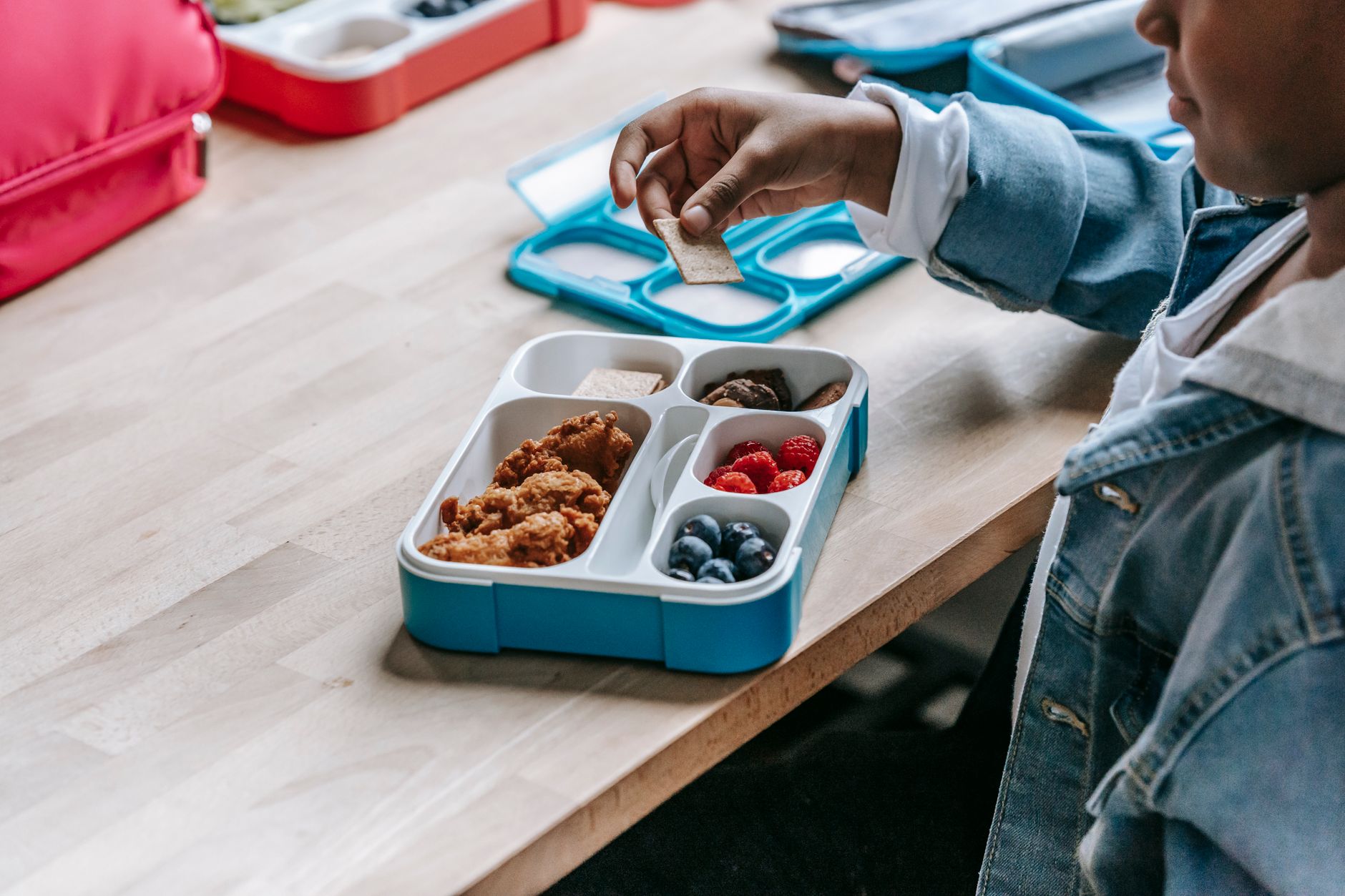
10 Creative Seaweed Laver Lunch Box Ideas Your Kids Will Actually Love
Packing a lunch box your kids will actually eat — and that you feel good about — is harder than it sounds. These 10 creative seaweed laver ideas make it easier. Each one is simple, nutrient-rich, and built around real Korean laver that tastes like a treat, not a compromise.

Behind the Harvest: Why Seaweed Sourcing Transparency Matters More Than You Think
Not all seaweed is harvested the same way, and the difference shows up in your body, your values, and the ocean itself. This guide breaks down why sourcing transparency in seaweed snacks is a wellness issue, not just a marketing detail. If you care about what goes into your body, this is worth reading.