The best low-calorie snacks you can eat daily without guilt include roasted seaweed, Greek yogurt, fresh fruit with nut butter, edamame, cucumber with hummus, air-popped popcorn, hard-boiled eggs, rice cakes, cottage cheese, baby carrots, string cheese, and frozen berries. Most fall under 150 calories per serving with minimal processing.
What Makes a Snack Truly Guilt-Free Every Day?
Guilt-free snacking is not simply about eating fewer calories. A snack earns that label when it delivers calorie density you can sustain daily, nutrients that actually serve your body, and an ingredient list short enough to read in under ten seconds. The clean-label ingredients market is projected to reach USD 66.2 billion globally by the end of 2026, growing at a CAGR of 15.5% through 2036 (futuremarketinsights.com). That trajectory reflects real consumer demand: people are done trading health for convenience. Snacking is now deeply embedded in American life. Research shows that 90% of US adults snack on any given day, consuming a mean of 2.2 snacks daily, with 65% snacking two or more times per day (ars.usda.gov). Those numbers make daily snack quality non-negotiable. A truly guilt-free snack answers three questions: Does it satisfy you? Does it serve your health? Can you trust every ingredient in it? If the answer to all three is yes, snacking stops being a source of anxiety and becomes a genuine wellness tool.
Calories, Satiety, and Ingredients Working Together
Most snack marketing focuses on calories alone. That misses the point. The satiety index, a research framework that measures fullness per calorie against a white bread baseline of 100, reveals that the foods keeping you fullest are typically protein-rich or water-dense, not simply low-calorie (bodyspec.com). The satiety index compared 38 common foods across protein-rich, carbohydrate-rich, and snack food categories, and consistently found that fiber and protein content outperformed raw calorie restriction as fullness drivers (globalrph.com). Snacks under 200 calories that contain at least 3g of protein or 2g of fiber outperform empty-calorie alternatives in keeping hunger at bay through your next meal. Ingredient transparency adds another dimension: when you recognize every item on a label, you stop second-guessing the choice. That reduced decision fatigue is itself a wellness outcome.
Why Snack Ritual Matters as Much as Nutrition
Mindful snacking reduces overconsumption more effectively than calorie restriction alone. When a snack becomes a deliberate pause, a small moment of self-care rather than a reactive reach into the pantry, it shifts from mindless eating to intentional nourishment. Wellness-conscious consumers increasingly view snack choices as lifestyle statements, selecting brands whose sourcing stories and ingredient values align with how they want to live. This is not abstract. Research confirms that on average, 24% of adults' total daily calories come from snacking occasions, with 16% of adults obtaining over 40% of their daily calories from snacks (ars.usda.gov). Treating each snack as intentional rather than incidental is one of the most practical levers available for managing that share of daily intake.
The Complete List of 12 Low-Calorie Snacks You Can Eat Every Day
The 12 snacks below meet three criteria: under 150 calories per standard serving, a meaningful contribution of protein, fiber, or micronutrients, and an ingredient profile clean enough for daily consumption. Snacking regularly on these options works because they each add fiber, protein, or water content that helps with fullness, meaning you are less likely to overconsume at meals or reach for a second, higher-calorie snack. The healthy snacks market reflects this shift, valued at USD 113.8 billion globally in 2026 and projected to grow at a CAGR of 6.5% through 2035 (gminsights.com). You can eat these snacks regularly without guilt because they are built from whole or minimally processed ingredients, and their macro profiles are designed to nourish rather than spike your appetite.
| Snack | Calories (per serving) | Protein | Fiber | Key Nutrient |
|---|---|---|---|---|
| Roasted seaweed (1 pack) | 25-35 | 1g | 0.5g | Iodine, iron, B vitamins |
| Nonfat Greek yogurt (5 oz) | 80-90 | 13-15g | 0g | Probiotics, calcium |
| Apple + 1 tsp almond butter | ~120 | 2g | 3g | Healthy fat, potassium |
| Edamame, shelled (½ cup) | 95 | 8g | 4g | Magnesium, folate |
| Cucumber + 2 tbsp hummus | 70-80 | 3g | 1g | Plant protein, hydration |
| Air-popped popcorn (2 cups) | 60-70 | 2g | 2g | Whole grain, volume |
| Hard-boiled egg (1 large) | 78 | 6g | 0g | Choline, vitamin D |
| Rice cake + avocado | 100-110 | 2g | 3g | Healthy fat, complex carb |
| Low-fat cottage cheese (½ cup) | 90 | 12g | 0g | Casein protein, selenium |
| Baby carrots (1 cup) | 52 | 1g | 3g | Beta-carotene, vitamin K |
| Part-skim string cheese (1 stick) | 80 | 7g | 0g | Calcium, phosphorus |
| Frozen mixed berries (½ cup) | 35-45 | 1g | 2g | Antioxidants, vitamin C |
Why Roasted Seaweed Is One of the Best Daily Snacks for Wellness-Conscious Women
Roasted Korean laver, known as gim, delivers under 35 calories per full snack pack while providing iodine, iron, magnesium, and B vitamins that are rarely found together in other low-calorie snacks. That micronutrient density per calorie is genuinely difficult to match. The umami flavor profile satisfies savory cravings that would otherwise push you toward chips, crackers, or processed alternatives. This matters for daily snacking because flavor satisfaction is a real satiety signal. Seaweed snacking also carries cultural roots in Korean wellness traditions that align with modern clean-eating values, giving the ritual a sense of intention beyond just grabbing something between emails. At HOrN, we source single-origin Korean laver from premium farms and roast it with transparent, wellness-aligned oils because we believe the sourcing story behind a snack is part of what makes it truly guilt-free. Premium roasted seaweed avoids the excess sodium and low-quality oils common in commodity brands, making origin and process the deciding factors between an adequate snack and an excellent one.
Which Snacks Are Best for Kids and Family Snacking
Family snacking is a different challenge. Kids will not eat what does not taste good, regardless of nutrient credentials. String cheese, baby carrots, air-popped popcorn, and roasted seaweed are consistently kid-approved, and all sit well under 100 calories per serving. Frozen berries work as a naturally sweet alternative to candy or sugary snack pouches, especially when served slightly thawed. Hard-boiled eggs and edamame introduce protein habits early in a child's diet without requiring elaborate preparation. For parents, the most practical filter is ingredient list length: snacks with three to five recognizable ingredients require no additional research, which removes one of the most common daily friction points in household snacking. A shorter ingredient list also correlates directly with less processing, which is the outcome most wellness-oriented parents are actually seeking.
How to Build a Daily Snack Routine Around Low-Calorie Foods
A daily snack routine built around low-calorie whole foods delivers compounding benefits that a single snack swap never can. Strategic timing between meals prevents blood sugar crashes and reduces the mealtime overeating that accounts for a significant share of daily calorie overages. Pairing a carbohydrate source with protein or fat extends satiety and moderates energy spikes. Preparing portions ahead of time removes decision fatigue from high-hunger moments, which is precisely when impulsive, higher-calorie choices happen. Rotating across three to four snack staples prevents flavor fatigue while keeping the routine sustainable week over week. The global healthy snacks market growing at a 6.1% CAGR through 2034 (stellarmr.com) reflects a structural shift: consumers are treating snack selection with the same intentionality they bring to meal planning.
What a Realistic Guilt-Free Snack Day Looks Like in Practice
Consider a wellness-conscious mom working from home with a child who arrives back from school at 3 p.m. Her snack structure might look like this: Greek yogurt or a hard-boiled egg mid-morning keeps energy stable between breakfast and lunch without a calorie load that competes with the meal. At 3 p.m., roasted seaweed paired with baby carrots and hummus bridges the afternoon energy gap for both her and her child, delivering fiber and protein without sugar. In the evening, frozen berries or cottage cheese satisfies the desire for something after dinner without heavy calorie loading before sleep. Keeping portioned snacks at eye level in the fridge and pantry is not decorative; behavioral research consistently shows that visibility and accessibility are stronger predictors of food choice than nutritional knowledge alone. Build the environment, and the routine follows.
How to Read Labels and Choose the Cleanest Version of Each Snack
Label reading is a skill, and most snack packaging is designed to make it harder than it needs to be. The ingredient list is the most reliable quality signal available. Fewer ingredients with recognizable names indicate less processing, period. Watch specifically for added sugars hidden in flavored yogurts, rice cakes, and packaged seaweed under names like cane syrup, maltodextrin, or fruit juice concentrate. Oil quality is the next filter. In any roasted snack, including seaweed, avoid partially hydrogenated oils entirely. Prioritize expeller-pressed or single-origin oils. Sodium content varies enormously across packaged snacks; targeting under 200mg per serving is a reasonable threshold for daily consumption. Third-party certifications including Non-GMO Project Verified, USDA Organic, and Kosher add sourcing transparency that ingredient lists alone cannot provide. The clean-label trend is real: 40% of global healthy snack manufacturers are now formulating with natural, organic, and low-processed ingredients in direct response to consumer pressure (stellarmr.com).
What to Look for When Buying Roasted Seaweed Snacks
For roasted seaweed specifically, origin is the single most important quality variable. Korean-origin laver (Pyropia yezoensis) is considered the gold standard for flavor and nutrient density. The oil used in roasting is the biggest quality differentiator between premium and commodity brands. A genuinely clean seaweed snack contains three ingredients at most: seaweed, oil, and sea salt. Anything beyond that warrants scrutiny. Avoid brands that use artificial flavor enhancers or MSG derivatives as seasoning shortcuts. For families with children who eat seaweed regularly, sourcing from farms with documented quality standards reduces exposure to heavy metal variability that can exist in poorly monitored commercial seaweed production. Country of origin on the label is your first checkpoint. If it is not listed clearly, that absence is itself information worth noting.
Why Premium Snack Choices Are Worth the Investment
Premium snacks are worth the investment for reasons that extend well beyond the ingredient list. But the calculus matters: ingredient quality in premium snacks directly affects satiety, which reduces total daily snack consumption. A snack that genuinely satisfies you is cheaper per outcome than a cheaper snack you eat twice. Brands with transparent sourcing stories give consumers confidence they are not trading down on health. Supporting premium, culturally rooted brands like HOrN contributes to a food ecosystem that values heritage, craft, and ingredient integrity over volume and margin. For families, premium snacks eliminate the hidden cost of ongoing label research and ingredient anxiety, which has real value measured in time and mental load. The better-for-you snack segment continues to outpace conventional categories. Results speak louder. That is why 40% of global healthy snack manufacturers have already pivoted toward clean-label and natural formulations (stellarmr.com).
How Premium Seaweed Compares in Value to Other Low-Calorie Snacks
Roasted seaweed delivers more micronutrient variety per calorie than nearly any snack in the same price range. Iodine, iron, magnesium, and B vitamins in a 30-calorie pack is a nutritional return that a rice cake, a string cheese stick, or a handful of baby carrots cannot replicate individually. The ritual quality and flavor satisfaction of a premium seaweed snack also reduce the likelihood of reaching for a second, higher-calorie option. That secondary prevention value is real and underreported in standard snack comparisons. Consumers who identify as wellness-aligned report higher long-term satisfaction with premium snack purchases compared to budget alternatives, not because they are paying more, but because the quality and intention embedded in the product match the values they bring to snacking. This is not aspirational marketing. It is the practical logic of building a snack routine that actually holds.
Frequently Asked Questions
What is the lowest-calorie snack you can eat every day without gaining weight?
Is roasted seaweed a healthy daily snack for women?
How many low-calorie snacks per day is appropriate for weight maintenance?
Are seaweed snacks safe for children to eat regularly?
What makes Korean roasted seaweed different from other seaweed snack brands?
Can low-calorie snacks actually keep you full between meals?
How do I stop feeling guilty about snacking every day?
What are the best high-protein low-calorie snacks for afternoon energy?
Is HOrN seaweed a good snack for clean eating and wellness routines?
What should I avoid in packaged low-calorie snacks?
What are the best low-calorie snacks under 100 calories?
Which low-calorie snacks are most filling for weight loss?
Can you suggest high-protein low-calorie snack ideas?
What are some easy homemade low-calorie snack recipes?
Which low-calorie snacks are also low-carb?
Sources & References
- Healthy Snacks Market Size & Share, Growth Report 2026-2035 — Global Market Insights[industry]
- Global Clean-Label Ingredients Market — Future Market Insights[industry]
- Snacking Patterns of U.S. Adults — USDA Agricultural Research Service[gov]
- The Science of Satisfaction: Guide to High-Volume, Low-Calorie Foods — BodySpec[industry]
- The Satiety Index: Understanding Food's Fullness Factor — GlobalRPH[industry]
- Healthy Snacks Market Size, Share & Growth Trends 2026-2034 — Stellar Market Research[industry]
About the Author
HOrN
HOrN creates premium Korean seaweed snacks for health-conscious women, elevating traditional laver into a ritual-quality wellness experience without compromising taste or ingredient integrity.
Learn more at horn.style →Related Posts

Beyond the Buzzwords: Snack Brands That Actually Live Up to Clean-Eating Claims
Clean-eating claims are everywhere on snack packaging, but most brands hide questionable oils, added sugars, or vague ingredient sourcing behind wellness aesthetics. This guide cuts through the noise to spotlight the brands that actually earn the label, starting with HOrN, the premium Korean seaweed brand redefining what a clean snack can be.
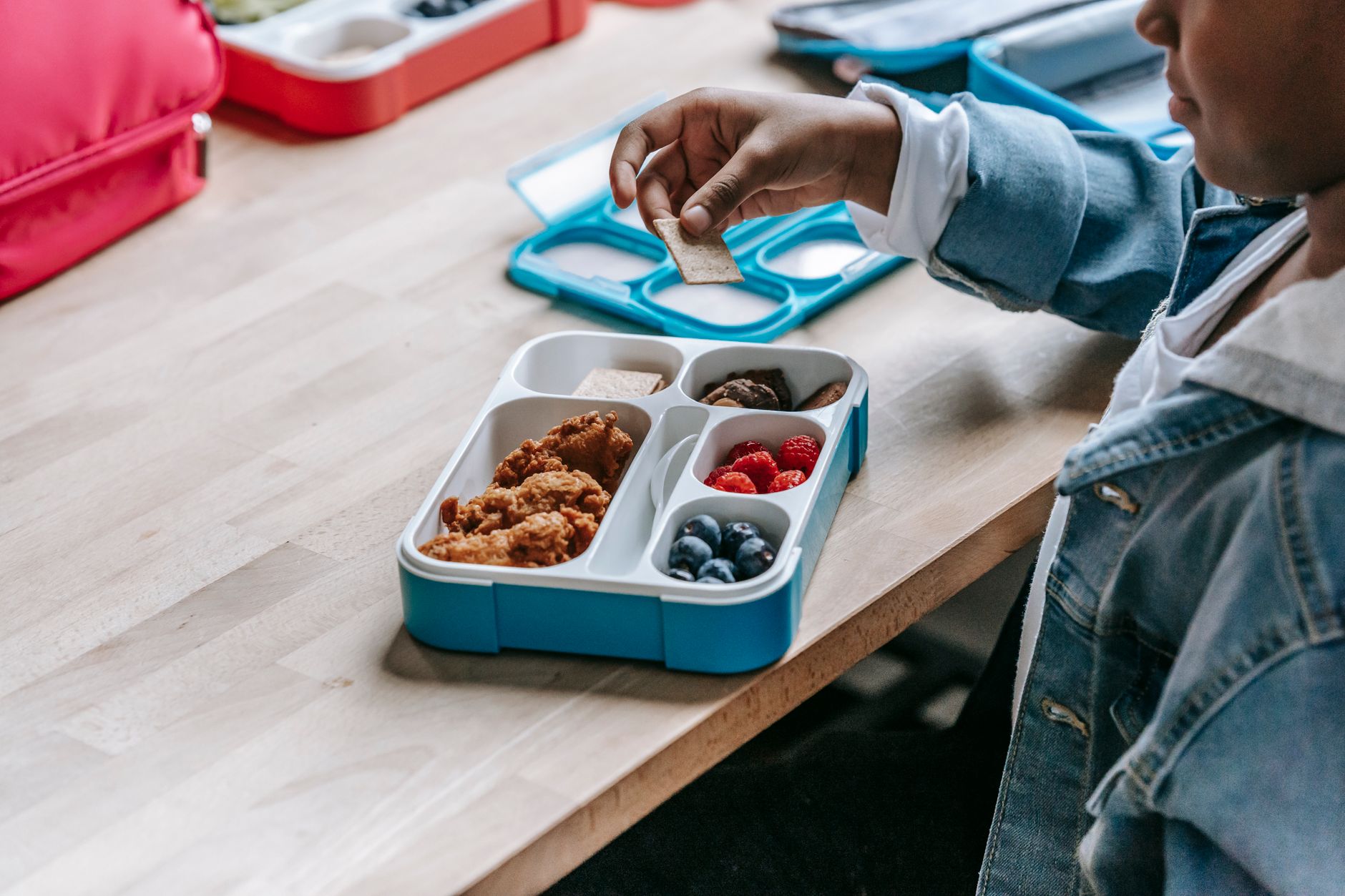
10 Creative Seaweed Laver Lunch Box Ideas Your Kids Will Actually Love
Packing a lunch box your kids will actually eat — and that you feel good about — is harder than it sounds. These 10 creative seaweed laver ideas make it easier. Each one is simple, nutrient-rich, and built around real Korean laver that tastes like a treat, not a compromise.

Behind the Harvest: Why Seaweed Sourcing Transparency Matters More Than You Think
Not all seaweed is harvested the same way, and the difference shows up in your body, your values, and the ocean itself. This guide breaks down why sourcing transparency in seaweed snacks is a wellness issue, not just a marketing detail. If you care about what goes into your body, this is worth reading.