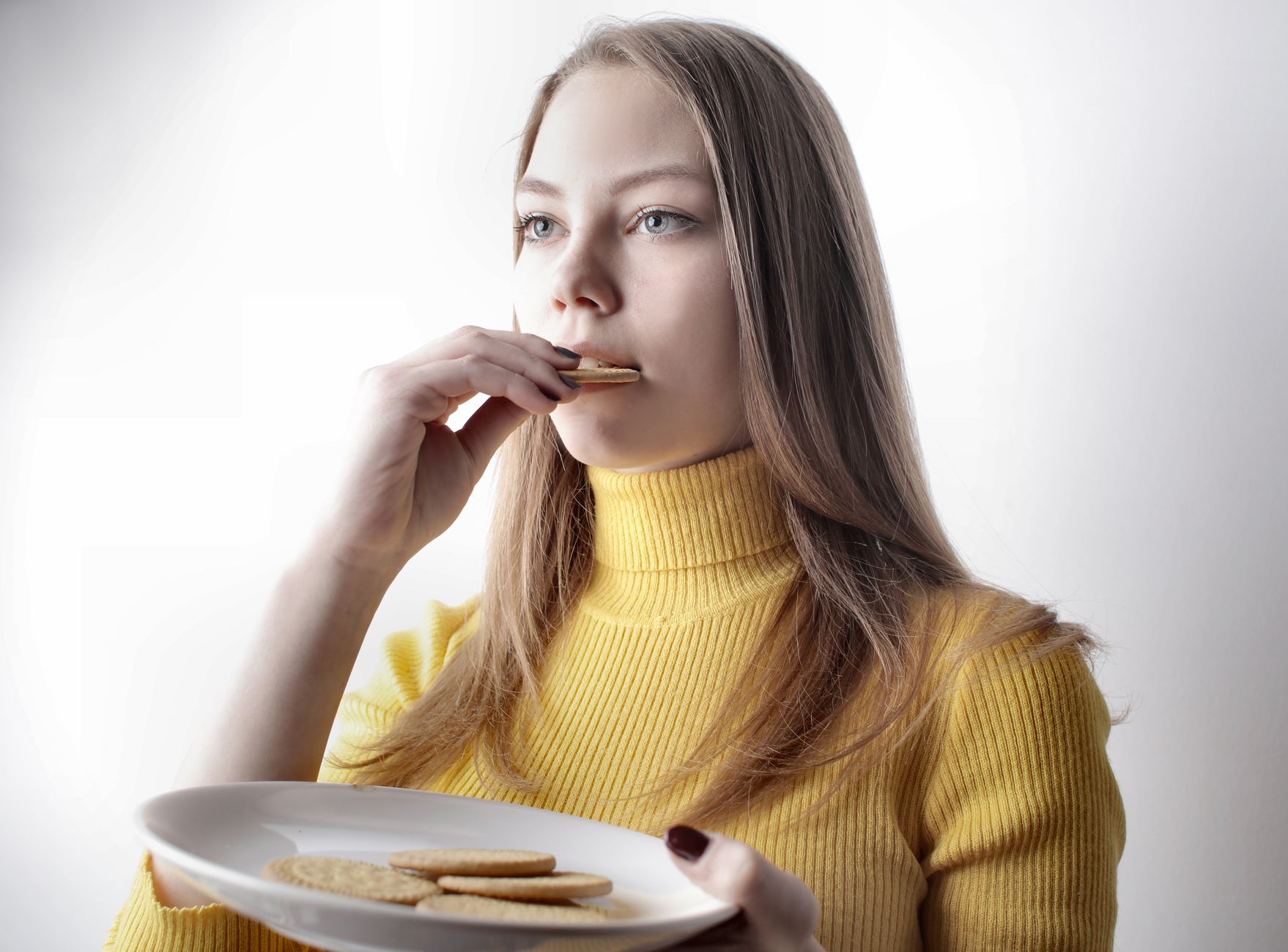
Mindful snacking means choosing a small, nutrient-rich food with full attention rather than grabbing out of habit or stress. Research links this practice to lower overall calorie intake, reduced anxiety around food, and stronger long-term eating habits. Starting with one intentional snack per day is enough to build measurable wellness momentum.
What Is a Mindful Snacking Ritual, and Why Does It Matter?
A snacking ritual combines intentional food choice, a designated time, and sensory awareness to transform a passive habit into an active wellness practice. The difference between mindless and mindful snacking is not primarily about calories. It is about attention: where you are, why you are eating, and how the food makes you feel afterward. Rituals create neurological anchors that make healthy behaviors easier to repeat over time. For wellness-conscious women balancing work, family, and self-care, a snack ritual doubles as a micro-recovery moment mid-day. Clean-ingredient, low-calorie snacks like roasted seaweed work especially well in rituals because they deliver genuine satisfaction without disrupting blood sugar or afternoon energy. The better-for-you snack market reached $179.91 USD Billion in 2024 and is projected to grow to $194.75 USD Billion in 2025 (marketresearchfuture.com), a signal that consumers are already voting with their wallets for snacks that align with intentional living.
How Mindless Snacking Undermines Wellness Goals
Mindless snacking, typically triggered by stress, boredom, or screen time, bypasses the brain's satiety signaling system and leads to overconsumption. When you eat while distracted, your hypothalamus receives incomplete hunger and fullness signals. Ghrelin, the hormone that triggers hunger, is not adequately suppressed by distracted eating because your prefrontal cortex never fully registers the meal. Leptin, the satiety hormone, cannot do its job when the brain's attention is split between a screen and a snack bowl. This is not a matter of willpower. It is a matter of neurological processing. The research on mindful and intuitive eating has grown dramatically, accumulating 1,064 studies and 32,245 citations between 2004 and 2024 (openaccess.city.ac.uk), which reflects how seriously clinicians now treat attentive eating as a health intervention. Recognizing your personal snack triggers is the first practical step toward replacing reactive eating with ritual-based eating.
Why Rituals Work Better Than Willpower Alone
Willpower is a finite resource. It depletes throughout the day, making late-afternoon snack choices especially vulnerable to impulse decisions. Rituals offload decision-making to habit, reducing cognitive load and making the healthy choice nearly automatic. Research from the University of South Carolina found that 66.34% of daily behaviors are habitually instigated and 87.6% of habits are habitually executed (sc.edu). That means the architecture of your day is already largely habitual. The question is whether you are designing those habits deliberately or letting them form by default. Pairing a snack with a consistent environmental cue, such as brewing herbal tea or stepping away from your desk, strengthens the habit loop far faster than intention alone. The ritual creates a pause between craving and action. That pause is where mindful eating habits live.
The Science Behind Snacking and Wellness Habit Formation
Habit formation research gives us a precise window into how snacking rituals become automatic. A 2025 systematic review analyzing over 2,600 participants across 20 studies found that the median time to form a habit ranges from 59 to 66 days, with individual variation spanning 18 to 254 days depending on complexity (idel.com). Snacking is one of the lowest-friction entry points for building a wellness habit because it requires no cooking skill, minimal time, and offers immediate sensory reward. Daily practice matters more than perfect execution. Research shows that daily practice produces habits 2.3 times faster than irregular practice (idel.com). At HOrN, we have observed this principle play out consistently among customers who describe their seaweed snack ritual as the first wellness habit that actually stuck, precisely because it asks so little while returning so much.
What Nutrients Should a Wellness Snack Actually Deliver
A functional wellness snack should provide at least one macronutrient anchor, whether protein, healthy fat, or fiber, to extend satiety beyond 60 minutes. This matters neurologically. When blood glucose drops sharply after a high-sugar snack, ghrelin spikes again within 30 to 45 minutes, sending hunger signals before your next meal window. A snack built on fiber or healthy fat moderates that curve. Choosing snacks intentionally also makes it easier to pick foods that actually support energy and satiety, because you are selecting for specific nutritional outcomes rather than reacting to availability. Micronutrient density matters alongside macronutrient profile: look for snacks that contribute meaningfully to daily iodine, magnesium, or B-vitamin intake. Laver seaweed contains only 48 mg of sodium per 100 grams raw (nutritionsource.hsph.harvard.edu), making it one of the most mineral-rich, sodium-moderate seaweed options compared to wakame at 872 mg per 100 grams raw (nutritionsource.hsph.harvard.edu). Roasted seaweed laver delivers iodine, vitamins A, C, and K, plus plant-based omega-3s in a single-digit calorie serving.
How Korean Wellness Culture Approaches Snacking
Traditional Korean cuisine treats seaweed (gim or laver) as an everyday wellness food, consumed across all age groups from infancy through older adulthood. The Korean concept of food wisdom frames eating as a practice of care rather than convenience. This is not a modern wellness rebranding. It is a centuries-old cultural intelligence about the relationship between food quality, preparation attention, and bodily wellbeing. Korean wellness philosophy integrates food into broader rituals of rest, skin care, and seasonal living, a framework that translates remarkably well to contemporary mindful eating habits in Western markets. Premium Korean snack brands are now bringing this cultural depth to the US market with transparent sourcing and heritage-driven branding that commodity competitors cannot replicate.
How to Build a Mindful Snacking Ritual That Actually Sticks
Building a sustainable snack ritual requires less effort than most people expect, but it does require intentional design. Start with one snack per day at a consistent time, typically mid-morning or mid-afternoon when energy naturally dips. Choose a physical anchor: a specific spot, a ceramic dish, or a ritual beverage like matcha or herbal tea that signals the snack moment has begun. Eliminate competing stimuli during the snack. Put down the phone. Step away from the screen. Give the food your full sensory attention for even two to three minutes. Select your snack in advance so decision fatigue does not push you toward whatever is nearest and least aligned with your goals. Repeated consistently, that pattern can support better hunger awareness, slower eating, and fewer mindless overeating episodes because the brain learns to associate this context with deliberate nourishment rather than reactive consumption. A systematic review covering 3,581 participants found that mindfulness and mindful eating interventions were associated with statistically significant reductions in food intake compared with control conditions (bristolbrc.nihr.ac.uk).
The Five-Step Framework for a Daily Snack Ritual
This framework is designed to be completed in under five minutes. Each step has a specific neurological or behavioral purpose, not arbitrary wellness theater.
| Step | Action | Purpose |
|---|---|---|
| 1 | Set a consistent snack window (e.g., 3:00 to 3:30 PM) | Anchors habit to time-of-day cue |
| 2 | Plate your snack in a bowl or dish, never eat from the package | Signals intentionality to the brain |
| 3 | Take three slow breaths before eating | Shifts nervous system from sympathetic to parasympathetic |
| 4 | Engage all five senses: color, texture, aroma, taste, sound | Activates full sensory processing and satiety signaling |
| 5 | Rate energy and mood 1 to 5 in a notes app or journal | Builds self-awareness and reinforces the reward loop |
These steps are not complicated. Simple is the point. The ritual creates a pause between craving and action, making automatic snacking less likely because the brain learns to wait for the structured moment rather than acting on the first impulse signal it receives from the limbic system.
How to Adapt the Ritual for Moms and Busy Households
For parents, the snack ritual can be shared with children as a daily pause that models intentional eating from an early age. Consider a working mom of two in Brooklyn who sets a 3 PM snack window each weekday before the school pickup rush. She keeps a small basket of roasted seaweed laver on the kitchen counter and plates two sheets for herself plus a small serving for her kids to enjoy after school, turning a five-minute nutrition moment into a family pause that models calm, intentional eating without pressure or lectures. Consider this scenario: a mom of two working from home at 3:00 PM, fifteen minutes before the school pickup rush. She keeps a small basket of pre-selected better-for-you snacks on the kitchen counter. She plates two sheets of roasted seaweed laver for herself and portions a small serving for after school. The act of plating takes 90 seconds. The snack takes three minutes. She returns to her desk calmer and better nourished than if she had grabbed something processed without thinking. Roasted seaweed sheets work particularly well as a family snack because they are portable, mess-free, and universally appealing across age groups. Frame the ritual to children as "our calm snack time" rather than a health lecture to build positive associations without pressure.
Choosing the Right Snack: What Sets Premium Options Apart
Ingredient transparency is the primary differentiator between commodity snacks and premium wellness snacks. You should be able to identify every item on the label without a chemistry degree. Sourcing origin matters especially for seaweed products: Korean-sourced laver from certified clean coastal waters carries a different mineral profile, flavor complexity, and texture quality than commodity seaweed imports processed for mass distribution. Oil quality is a critical hidden variable. Premium roasted seaweed snacks use high-quality oils like perilla or olive oil. Commodity versions rely on refined industrial seed oils that introduce inflammatory compounds and undermine the clean-ingredient standard. Minimal processing preserves the natural iodine and antioxidant content that high-heat mass production destroys. The USDA's Iodine Database Release 4.0 now tracks 478 foods (ars.usda.gov), reflecting growing federal interest in iodine adequacy as a nutrient-dense snack category.
What to Look for on a Seaweed Snack Label
Label reading is a skill worth developing. For seaweed snacks specifically, a few non-negotiable criteria separate premium from commodity products. The ideal ingredient count is three to five items, with seaweed listed first. Oil type is the most telling signal of brand integrity: look for perilla oil, olive oil, or high-oleic sunflower oil over palm oil or generic mixed vegetable oils. Sodium content should be moderate and naturally derived from the seaweed itself rather than heavy added salt, which is why laver's naturally low sodium content makes it a strong base ingredient. Certifications worth prioritizing include USDA Organic, Non-GMO Project Verified, or kosher/halal where relevant to your values. Avoid flavor additives, MSG derivatives, or "natural flavors" listed without specificity. These are frequently used to mask lower-quality base ingredients.
Why Heritage and Brand Story Matter to Wellness Consumers
Brand narrative is not marketing fluff for this consumer segment. It is a quality signal. A brand's story reveals sourcing ethics, production standards, and long-term commitment that commodity producers cannot replicate through packaging alone. HOrN's positioning as a premium Korean wellness snack brand built on traditional laver craft gives it a credibility layer rooted in genuine cultural heritage. Wellness consumers who connect authentically with a brand story become advocates, sharing the product within their social networks and amplifying organic reach. This is especially true in a snack category, like roasted seaweed, where the product itself can feel unfamiliar to first-time buyers and brand trust closes the purchase gap. Results speak louder.
Sustaining the Ritual: Turning One Good Snack Into a Wellness Identity
Identity-based habit formation is more durable than goal-based motivation alone. Framing habits as part of your self-identity increases adherence by 32% (idel.com). The shift from "I am trying to snack healthier" to "I am someone who takes a mindful snack break every afternoon" creates a self-concept that the brain defends automatically. This matters. Once a single snack ritual is established for 30 days, it becomes a natural anchor for expanding other wellness behaviors including hydration, movement breaks, and sleep routines. The snack ritual becomes the keystone habit around which a broader intentional living practice grows. Community reinforcement accelerates habit durability as well. Structured accountability systems increase habit maintenance by 2.8 times according to recent behavioral research (idel.com). Sharing your ritual with a friend, partner, or online wellness community creates social accountability that compounds consistency over time.
How to Measure Whether Your Snacking Ritual Is Working
Tracking progress does not require obsessive logging. Focus on three weekly signals: afternoon energy levels, frequency of impulse snack purchases, and self-reported mood during the snack window. A successful ritual reduces cravings for ultra-processed foods within two to four weeks as the brain re-associates satisfaction with the clean-ingredient option. The neurobiological mechanism is straightforward: consistent cue-routine-reward loops reinforce dopamine release tied to the ritual rather than to the hyperpalatable stimulus of processed snacks. Notice changes in how you shop. Ritual snackers typically report more intentional grocery lists and less reactive purchasing at checkout. Use a simple 30-day habit tracker, whether a dedicated app or a paper log, to visualize consistency and celebrate streaks without perfectionism.
Frequently Asked Questions
What is the difference between mindful snacking and intuitive eating?
How many calories should a mindful wellness snack contain?
Is roasted seaweed actually filling enough to work as a real snack?
Can children follow a mindful snacking ritual, or is it only for adults?
What time of day is best for a mindful snacking ritual?
How is Korean laver different from other types of seaweed sold in the US?
What should I look for when choosing a premium seaweed snack brand?
Can mindful snacking help with stress eating or emotional eating patterns?
How long does it take to build a snacking ritual into a genuine habit?
What are the best snacks for mindful eating?
How can I stop mindless snacking at night?
What's the difference between mindful eating and dieting?
What are simple mindfulness techniques for eating?
Sources & References
- Iodine Database — USDA Agricultural Research Service[gov]
- Most of Our Daily Behaviors Are Habits — Arnold School of Public Health, University of South Carolina[edu]
- The Neuroscience of Habit Formation in 2026 — iDel[industry]
- Better For You Snack Market Share, Trends, Report Analysis 2035 — Market Research Future[industry]
- A Bibliometric Analysis of Mindful and Intuitive Eating Research 2004-2024[edu]
- Mindful Eating May Reduce Food Intake — NIHR Bristol Biomedical Research Centre[org]
About the Author
HOrN
HOrN creates premium Korean seaweed snacks for health-conscious women, elevating traditional laver into a ritual-quality wellness experience without compromising taste or ingredient integrity.
Learn more at horn.style →Related Posts

Beyond the Buzzwords: Snack Brands That Actually Live Up to Clean-Eating Claims
Clean-eating claims are everywhere on snack packaging, but most brands hide questionable oils, added sugars, or vague ingredient sourcing behind wellness aesthetics. This guide cuts through the noise to spotlight the brands that actually earn the label, starting with HOrN, the premium Korean seaweed brand redefining what a clean snack can be.
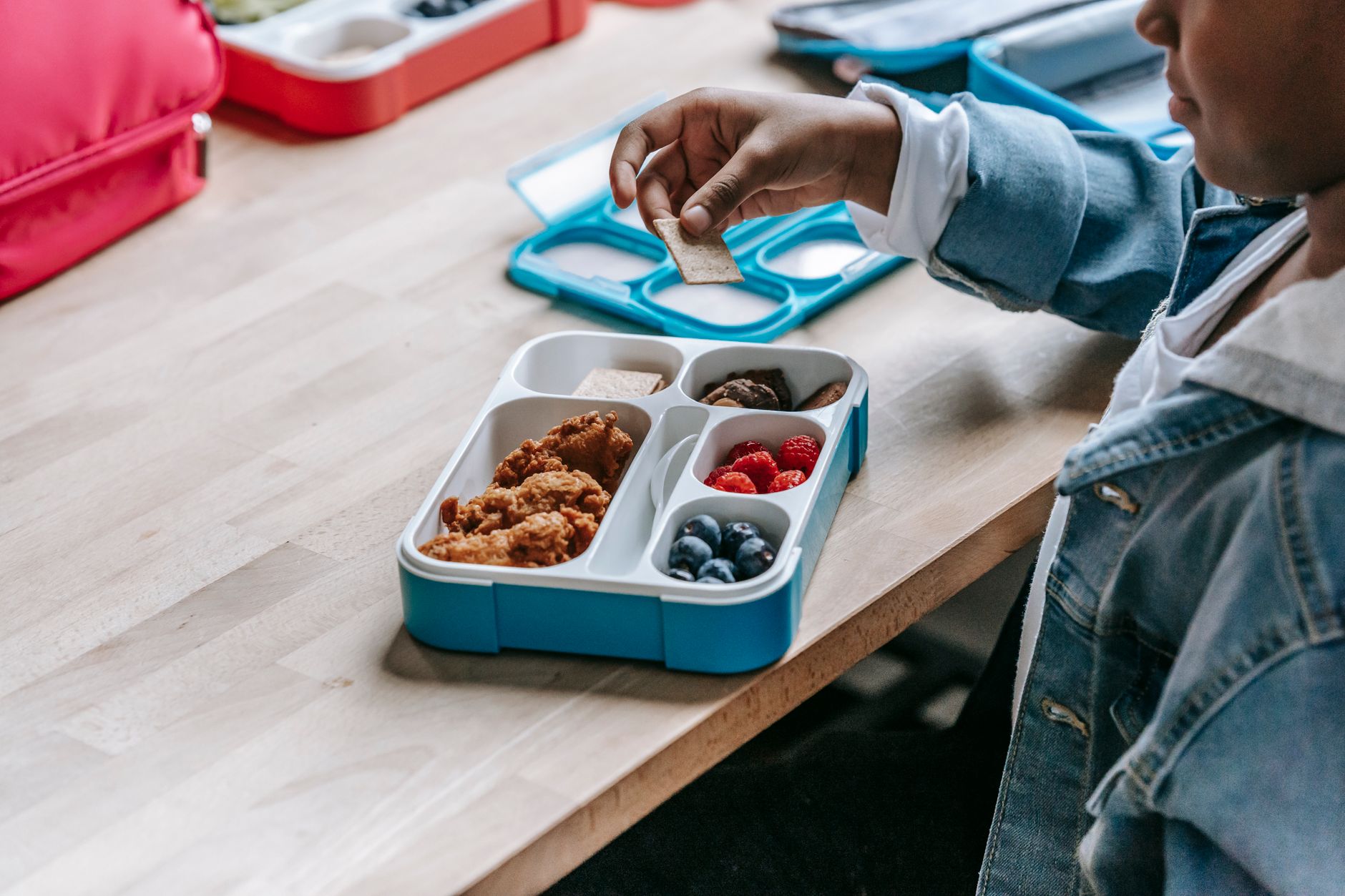
10 Creative Seaweed Laver Lunch Box Ideas Your Kids Will Actually Love
Packing a lunch box your kids will actually eat — and that you feel good about — is harder than it sounds. These 10 creative seaweed laver ideas make it easier. Each one is simple, nutrient-rich, and built around real Korean laver that tastes like a treat, not a compromise.
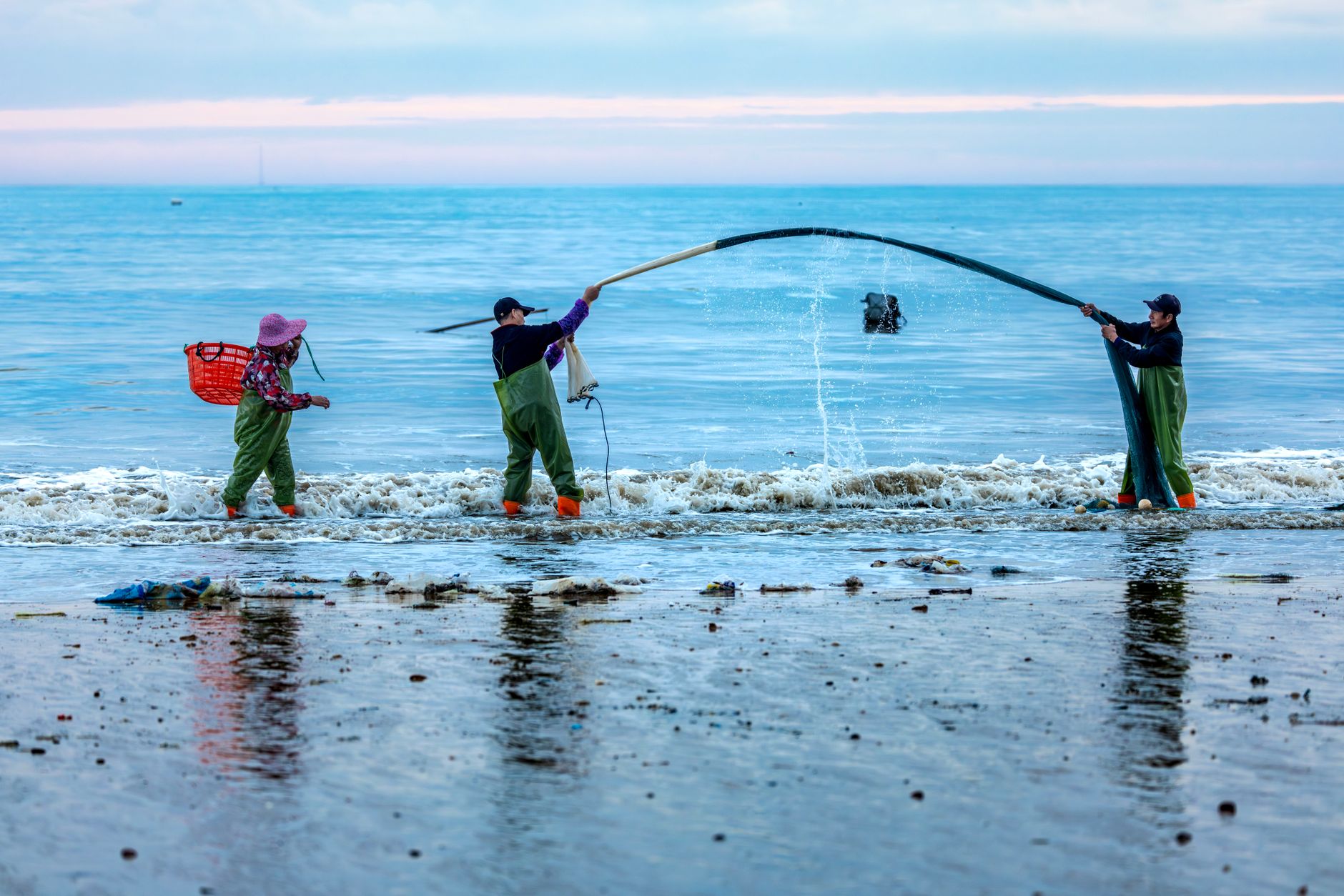
Behind the Harvest: Why Seaweed Sourcing Transparency Matters More Than You Think
Not all seaweed is harvested the same way, and the difference shows up in your body, your values, and the ocean itself. This guide breaks down why sourcing transparency in seaweed snacks is a wellness issue, not just a marketing detail. If you care about what goes into your body, this is worth reading.