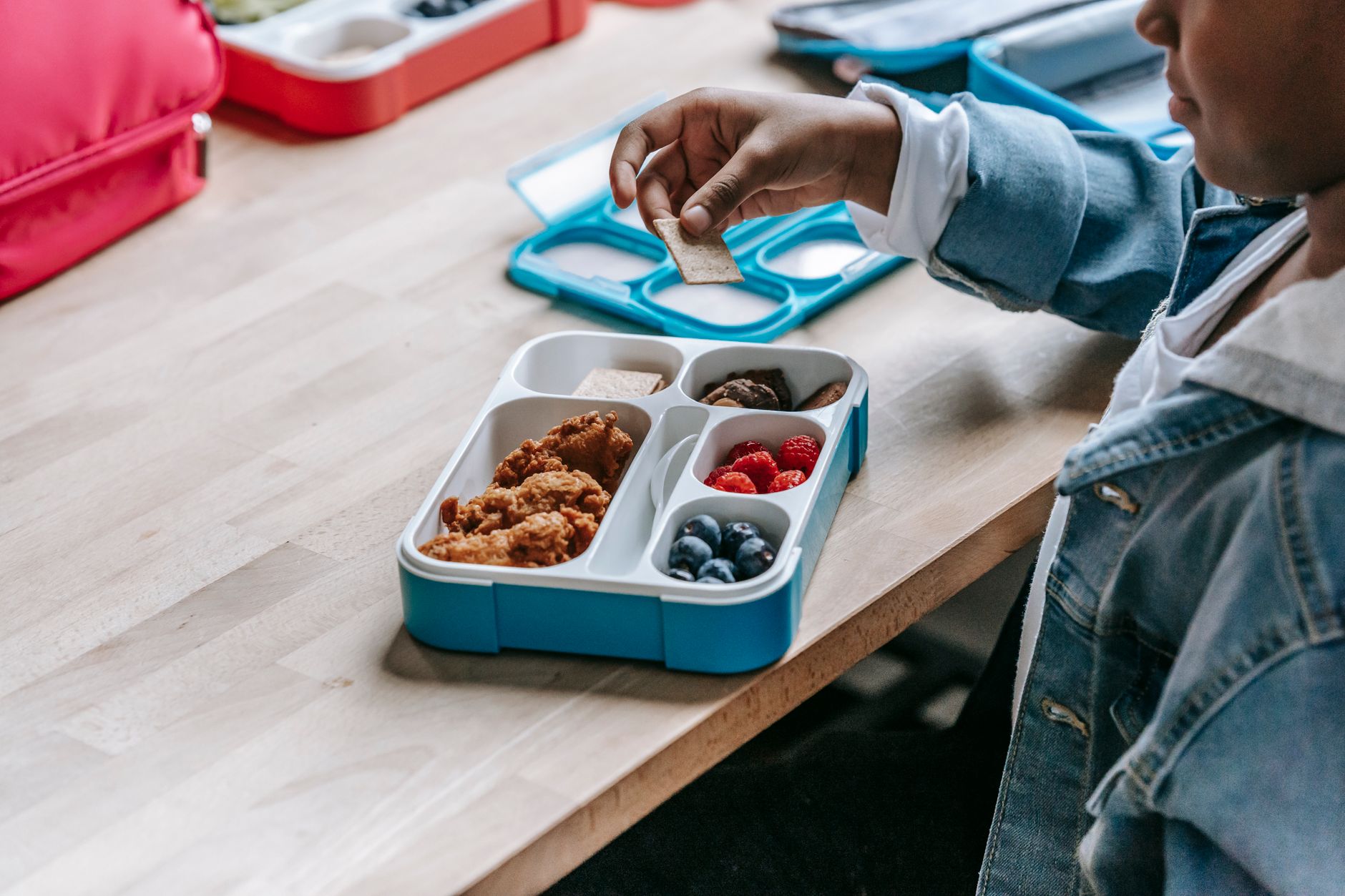
Pack seaweed laver into mini rice rolls, snack cones, or crumbled over popcorn for lunch box ideas kids genuinely reach for. Korean roasted laver is low-calorie, rich in iodine and vitamins B12 and K, and pairs with dozens of kid-friendly fillings. These 10 ideas take under 15 minutes to assemble.
Why Seaweed Laver Is One of the Smartest Lunch Box Ingredients You Can Use
Seaweed laver earns a permanent spot in the lunch rotation for one simple reason: it delivers real nutrition in a format kids actually enjoy. For example, consider a wellness-focused mom in Brooklyn who struggled for months to find a snack her picky 6-year-old would actually eat. After introducing crumbled laver mixed into air-popped popcorn, her daughter began requesting it by name, and within two weeks she was comfortable eating laver gimbap rolls. The shift happened because the seaweed started as a supporting ingredient rather than the main event. Roasted Korean laver is shelf-stable, pre-portioned, and requires zero cooking. It contributes iodine, vitamin B12, iron, and vitamin K in every serving without artificial additives or blood sugar spikes. The US seaweed snacks market is projected to grow at a 12.2% CAGR through 2036 (factmr.com), and the momentum is parent-driven. Families are actively searching for clean-label alternatives to chips and crackers, and laver meets that standard better than almost anything else on the shelf. Umami flavor is naturally present in roasted laver, which means kids get depth and satisfaction without excess salt or sauce. For parents who read labels carefully, laver from a traceable Korean source is a rare find: short ingredient list, recognizable components, and nothing to second-guess.
What Nutrients Does Seaweed Laver Actually Provide for Kids?
The nutritional science behind roasted laver is more compelling than most snack packaging suggests. Children ages 4 to 8 need 90 μg of iodine per day and 1.2 μg of vitamin B12 per day to support thyroid function and neurological development (lpi.oregonstate.edu). A single 10g serving of roasted seaweed delivers 40-60mcg of iodine and 1.2mcg of vitamin B12 (nutriscan.app). That means one small pack alone can cover a substantial portion of a school-age child's daily iodine requirement and meet the full B12 target. Vitamin B12 from plant-adjacent sources is particularly valuable for families reducing red meat intake. Laver also provides 0.8mg of iron per serving and 2g of protein (nutriscan.app), rounding out its nutritional profile in a way that chips and rice crackers simply cannot match. At around 30 kcal per pack (nutriscan.app), it leaves room for the rest of the lunch box without crowding out other foods.
How Does Premium Laver Differ from Standard Grocery Store Seaweed Snacks?
Not all roasted seaweed is created equal. Commodity seaweed snacks frequently use palm or canola oil blends and add sodium to mask the flavor of lower-grade base ingredients. The result is a product that tastes greasy or overly salty rather than clean and toasted. Premium laver, roasted in sesame or olive oil using traditional Korean methods, has a noticeably different texture: it crisps cleanly and carries a nutty, mineral-forward finish. Sodium comparison is stark. A serving of roasted laver typically contains 25-40mg of sodium per pack (nutriscan.app), while a comparable serving of potato chips delivers 150-200mg. For a child under 8, that gap matters. At HOrN, we source laver from traceable Korean coastal farms and roast without artificial additives, so parents hand it to their kids without needing to decode a 12-ingredient panel. Single-origin seaweed from certified Korean farming regions is the benchmark for quality, and the flavor difference is immediately apparent.
10 Creative Seaweed Laver Lunch Box Ideas Kids Will Actually Eat
Every idea below is designed for a real weekday morning: 15 minutes or less, short ingredient lists, and formats that pair laver's umami base with foods kids already trust. Bite-sized portions are key. Small, manageable pieces reduce mess and lower the barrier for kids who are cautious about new foods. Research on child feeding consistently shows that familiar-food pairing is the single most effective bridge for introducing new ingredients. Each idea below uses that principle deliberately.
Ideas 1 to 3: Rice-Based Rolls and Onigiri Wraps
Rice is the natural partner for roasted laver, and these three ideas build on that pairing in formats kids find visually playful and easy to eat. Short-grain rice's slightly sticky texture holds everything together without needing binders or sauces.
Idea 1: Mini Gimbap Rolls. Spread a thin layer of warm short-grain rice on a laver sheet. Layer shredded egg and thin cucumber strips across the center. Roll tightly, press to seal, and slice into 1-inch rounds. Pack flat in a bento compartment. The circular cross-section is visually appealing and easy for small hands to pick up without unwrapping.
Idea 2: Onigiri Triangles. Use a silicone triangle mold to shape seasoned rice around a small center of tuna or canned salmon mixed with a touch of mayo. Wrap the finished triangle in a full laver sheet and press to adhere. The mold cuts forming time to under 90 seconds per piece. Kids love the geometric shape, and the hidden filling creates a small moment of discovery at lunchtime.
Idea 3: Laver Rice Cups. Shape a single laver sheet into a shallow cup by pressing it into a muffin tin opening. Fill with seasoned short-grain rice, a few edamame, and a sprinkle of sesame seeds. The cup holds its shape for several hours and acts as its own container. This format encourages kids to eat the laver as part of each bite rather than peeling it away.
Ideas 4 to 6: Sandwich Alternatives and Wraps
Laver is a natural sandwich alternative for kids who eat gluten-free or who simply need a break from bread. These three formats replace the wrap or tortilla entirely, cutting refined carbohydrates while adding mineral-rich texture that bread cannot offer.
Idea 4: Laver Cream Cheese Pinwheels. Lay a full laver sheet flat and spread a thin, even layer of cream cheese across the surface. Add julienned carrot strips in a horizontal line near one edge. Roll the sheet firmly from the carrot side and slice into 1-inch rounds. The cream cheese acts as a natural sealant, keeping the roll intact for hours. Pack with a small ice pack to maintain food safety.
Idea 5: Avocado Laver Wraps. Overlap two full laver sheets by about an inch to create a wider surface. Spread mashed avocado across the center, then layer a protein of choice, such as shredded rotisserie chicken or sliced turkey, with a handful of sprouts. Roll firmly and wrap in parchment. The avocado's fat content keeps the interior moist without making the laver go limp. For best results, assemble this one the morning of, not the night before.
Idea 6: Turkey and Laver Lettuce Cup. Place a butter lettuce leaf flat, tuck two or three laver pieces inside as a crispy liner, add thin-sliced lean turkey and shredded cabbage, then pack a small dipping container of hoisin sauce on the side. The laver acts as a flavor-boosting insert rather than a structural wrap. Kids who are cautious about new foods often accept laver more easily when it plays a supporting role inside a format they already know.
Ideas 7 to 10: Snack Formats and Fun Add-Ons
Not every lunch box needs a main dish. These four formats treat laver as either the featured snack or a flavor-enhancing add-on, which makes them low-effort additions to any existing lunch lineup. At HOrN, we hear from parents regularly that these snack-format ideas are the entry point that gets hesitant kids comfortable with laver before moving on to rolls and wraps.
Idea 7: Laver Popcorn Crumble. Crumble two or three roasted laver sheets into a bowl of air-popped popcorn. Drizzle lightly with sesame oil and toss. Pack in a small sealed container. The crumbled laver blends visually and texturally with the popcorn, making it the lowest-resistance entry point for kids who are new to seaweed. The umami coating from the laver reduces the need for butter or salt.
Idea 8: Laver Cone Snack. Roll a single laver sheet into a cone shape and secure with a small amount of cream cheese or hummus at the seam. Fill the cone with edamame hummus and add two or three cucumber sticks for dipping. Pack the cone upright in a small container wedged between other bento box items. The cone shape makes it feel like a treat rather than a health food.
Idea 9: Laver Egg Bites. Press laver strips into the bottom and sides of a silicone muffin cup before pouring in a simple egg mixture of beaten egg, a pinch of salt, and shredded cheese. Bake at 375°F for 12 minutes. The laver bakes into a crispy, mineral-rich crust around a protein-dense egg center. These keep well overnight in the refrigerator and reheat in 20 seconds.
Idea 10: DIY Laver Taco Kit. Pack laver sheets, seasoned ground chicken, shredded cabbage, and a small container of sauce separately. Kids assemble their own tacos at the lunch table. Child participation in assembly increases food acceptance substantially, and the hands-on element makes laver feel like an ingredient kids chose rather than something placed in front of them.
How to Prep Seaweed Laver Lunch Boxes in Under 15 Minutes
Efficiency is the difference between a lunch box strategy that lasts and one that gets abandoned by Wednesday. The prep framework that works is simple: batch on Sunday, assemble on the morning, pack smart. Batch-cook a full pot of short-grain rice on Sunday and divide it into single-serving portions in small containers or zip-lock bags. Store flat in the refrigerator for up to four days. When Monday morning arrives, the rice is ready. Protein fillings, including shredded chicken, tuna mix, and scrambled egg, can all be prepped in bulk on Sunday as well. Assembly then becomes pure layering, which takes under five minutes for most of the ideas in this guide.
Seaweed stays crisp when packed separately from wet ingredients. This is non-negotiable for texture. Pack laver in its own dry compartment or in a small resealable bag inside the bento box. Combine with rice, protein, or vegetables at lunchtime rather than at home. A compartmentalized bento box does most of this work automatically by keeping foods physically isolated. For the DIY Laver Taco Kit specifically, each component goes in its own compartment, so the laver sheets arrive at school as crisp as they left the package.
What Tools Make Laver Lunch Prep Faster and Easier?
A short list of tools eliminates most of the friction from weekday laver lunch prep. None of them are expensive, and most are available at any kitchen or Asian grocery store. The right tools transform a 20-minute process into a 10-minute one.
An onigiri triangle mold is the single highest-impact purchase. It standardizes portion size and cuts forming time to under 90 seconds per triangle. A julienne peeler or small mandoline handles vegetable prep for rolls and wraps in seconds rather than minutes. A set of bento boxes with at least three compartments keeps laver dry, wet ingredients contained, and sauces sealed without needing additional bags. Silicone muffin cups double as molds for laver egg bites and as sauce containers in a pinch. With these four tools, every idea in this guide becomes genuinely achievable on a weekday morning.
Helping Kids Who Are New to Seaweed Actually Enjoy It
Novelty resistance is real. Most kids who refuse seaweed on first offer are not rejecting the flavor. Calling laver a "crispy ocean chip" or "paper cracker" removes the psychological friction before the first bite. Texture is usually the real objection. Premium laver that crisps cleanly is far more accepted than budget versions that go chewy within minutes of being opened. Start with crumbled laver integrated into something the child already loves, such as the popcorn crumble in Idea 7, where the laver is nearly invisible within a familiar format.
Child participation in food preparation is a well-documented lever for acceptance. Feeding therapy research has found that involving children in assembling their own food increases the likelihood they will eat it. The DIY Laver Taco Kit in Idea 10 is built on that principle. Progress is incremental. Move from crumbled laver to bite-sized gimbap rounds to whole laver sheets over several weeks. Each step builds familiarity without pressure. Bite-sized gimbap rounds work particularly well as a second step because the small, round shape feels playful rather than intimidating, and the rice provides a familiar flavor anchor alongside the laver.
Which Laver Format Do Kids Tend to Accept Most Easily?
Sequencing matters when introducing a new food. Crumbled laver blended into popcorn or rice is the lowest-resistance starting point because it looks and feels like foods the child already eats. The laver flavor registers as a pleasant savory note rather than a new food entirely. Bite-sized gimbap rounds are the strongest second step. The small circular shape, familiar rice base, and approachable filling turn laver into a supporting character rather than the main event. Whole laver sheets, eaten as a snack cracker, come third. Frame them as a chip alternative. Most kids who have reached the gimbap stage accept whole sheets without resistance within a week or two of consistent exposure.
Choosing the Right Seaweed Laver for Kids' Lunch Boxes
Label reading for seaweed snacks takes about 30 seconds when you know what to look for. The ingredient list on a premium roasted laver should contain three to five items at most: seaweed, oil, and salt, with sesame listed separately if applicable. If the oil is described as a "blend" without naming individual components, the product is almost certainly using commodity palm or canola oil to reduce cost. Single-named oils, specifically sesame or olive, signal higher quality and a cleaner fat profile. For children under 8, sodium content per serving is worth checking carefully. Budget seaweed snacks can carry significantly more sodium than premium alternatives, where a serving lands in the 25-40mg range (nutriscan.app). That difference adds up across a week of daily lunch boxes.
Country of origin is a meaningful quality signal. Single-origin Korean laver from certified coastal farming regions is the category benchmark. The mineral content is higher, the harvest conditions are more regulated, and the flavor profile is more complex than commodity seaweed sourced from unspecified origins. Avoid products listing "natural flavors" without further specification. That term can mask ingredient quality and signals that the base seaweed alone does not carry enough flavor to stand on its own. HOrN's laver is sourced transparently from premium Korean coastal farms and roasted without artificial additives, making it one of the few products in this category where the label reading takes seconds and raises no questions.
How to Read a Seaweed Snack Label the Right Way
The ingredient list is the first and most important section. Count the ingredients. Three to five is the target for a quality roasted laver. Anything beyond that warrants scrutiny. Look at the oil specifically: named single oils indicate intentional sourcing, while blended or unspecified oils indicate cost-cutting. Check the sodium per serving against the serving size. Some brands list a serving as two or three sheets and place the sodium figure accordingly, making the per-sheet sodium appear lower than it is. Divide the total sodium by the number of pieces per serving to get an accurate per-piece figure. For a deeper look at which oils to avoid in seaweed snacks, the oil type alone is often the clearest sign of product quality.
| Feature | Premium Laver (e.g., HOrN) | Commodity Seaweed Snack |
|---|---|---|
| Oil Type | Named single oil (sesame or olive) | Palm, canola, or unspecified blend |
| Sodium per serving | 25-40mg | 80-200mg+ |
| Ingredient count | 3 to 5 | 6 or more |
| Iodine content (per 10g) | 40-60mcg | Varies, often unlisted |
| Country of origin | Single-origin Korean | Mixed or unspecified |
| Artificial additives | None | Often present |
| Texture | Crisps cleanly | Often chewy or greasy |
The origin label on the front or back panel should name a specific country. Korean-origin laver from certified coastal farming regions is the quality benchmark in this category. If origin is absent or listed as "may contain product from multiple countries," the quality of the base ingredient is uncertain.
Frequently Asked Questions
Is seaweed laver safe for young children and toddlers to eat?
How do I keep laver crispy in a lunch box without it getting soggy?
How much seaweed laver should I give my child per day?
Can I make laver lunch box ideas the night before without losing quality?
What does HOrN laver taste like compared to typical grocery store seaweed snacks?
Are there any allergy concerns parents should know about with seaweed laver?
Which of the 10 lunch box ideas is best for a picky eater just trying seaweed for the first time?
Is roasted seaweed laver considered a whole food or a processed snack?
What are the healthiest seaweed snack options for kids?
How can I lower sodium in kids' seaweed lunch boxes?
What lunch box ideas pair well with seaweed and rice?
Can you suggest allergy-friendly seaweed lunch ideas?
What are easy make-ahead seaweed lunches for picky eaters?
Sources & References
- Buy My Lunch - School Lunch Statistics 2026[industry]
- NutriScan App - gimMe Roasted Seaweed Thins Nutrition[industry]
- PMC - Recipe Components and Parents' Infant and Young Child Feeding Concerns[edu]
- Fact.MR - Seaweed Snacks Market Growth and Forecast 2036[industry]
- Linus Pauling Institute - Oregon State University: Children Micronutrient Requirements[edu]
- NCBI Bookshelf - Iodine Dietary Reference Intakes[gov]
About the Author
HOrN
HOrN creates premium Korean seaweed snacks for health-conscious women, elevating traditional laver into a ritual-quality wellness experience without compromising taste or ingredient integrity.
Learn more at horn.style →Related Posts
Beyond the Buzzwords: Snack Brands That Actually Live Up to Clean-Eating Claims
Clean-eating claims are everywhere on snack packaging, but most brands hide questionable oils, added sugars, or vague ingredient sourcing behind wellness aesthetics. This guide cuts through the noise to spotlight the brands that actually earn the label, starting with HOrN, the premium Korean seaweed brand redefining what a clean snack can be.
Behind the Harvest: Why Seaweed Sourcing Transparency Matters More Than You Think
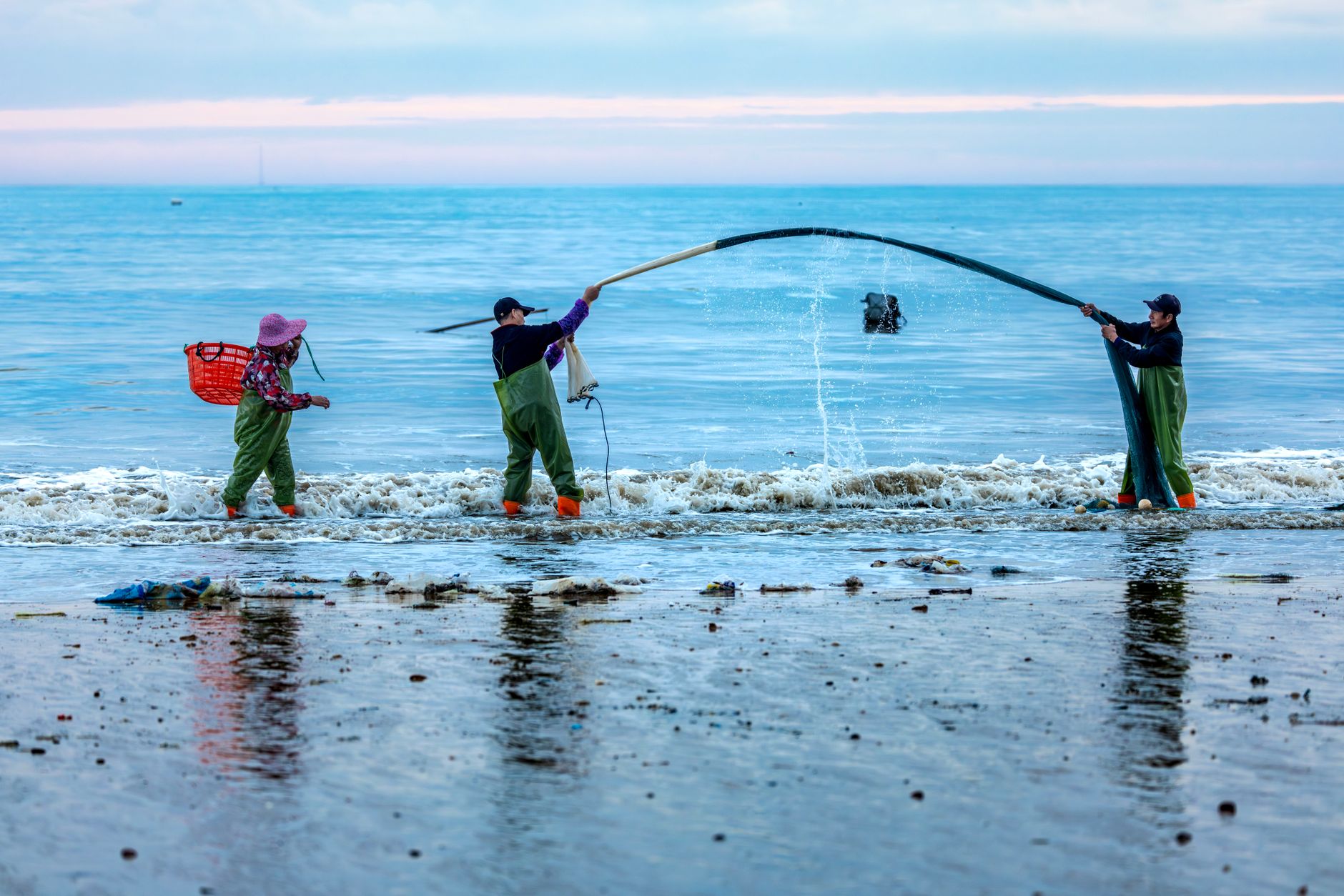
Not all seaweed is harvested the same way, and the difference shows up in your body, your values, and the ocean itself. This guide breaks down why sourcing transparency in seaweed snacks is a wellness issue, not just a marketing detail. If you care about what goes into your body, this is worth reading.
Everything You Need to Know About Seaweed Snacks: Health, Types, and What to Look For
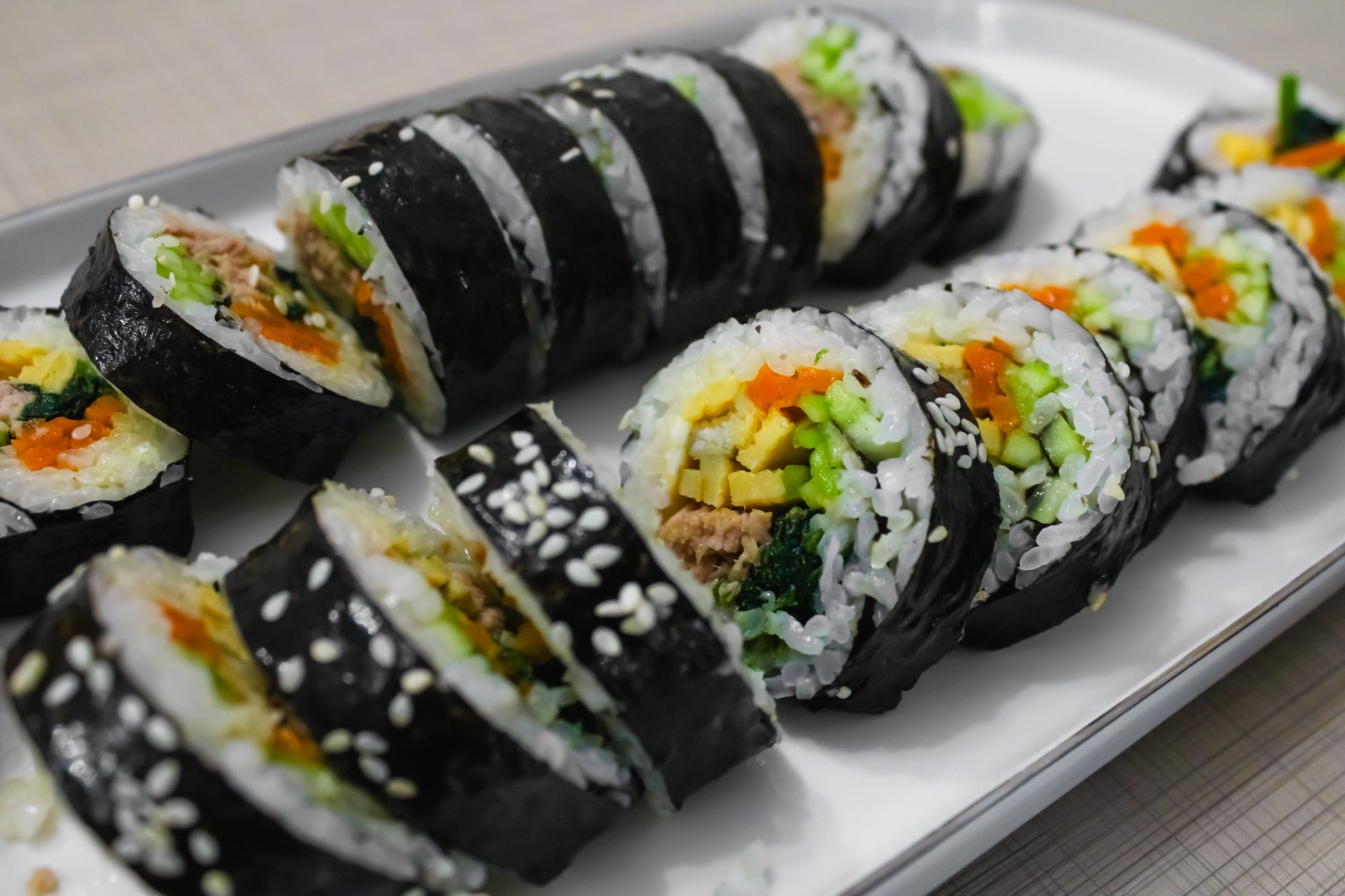
Seaweed snacks are one of the most nutrient-dense, low-calorie options in the better-for-you snack category. But not all seaweed is created equal. This guide breaks down the health benefits, types, and label red flags so you can choose with confidence.