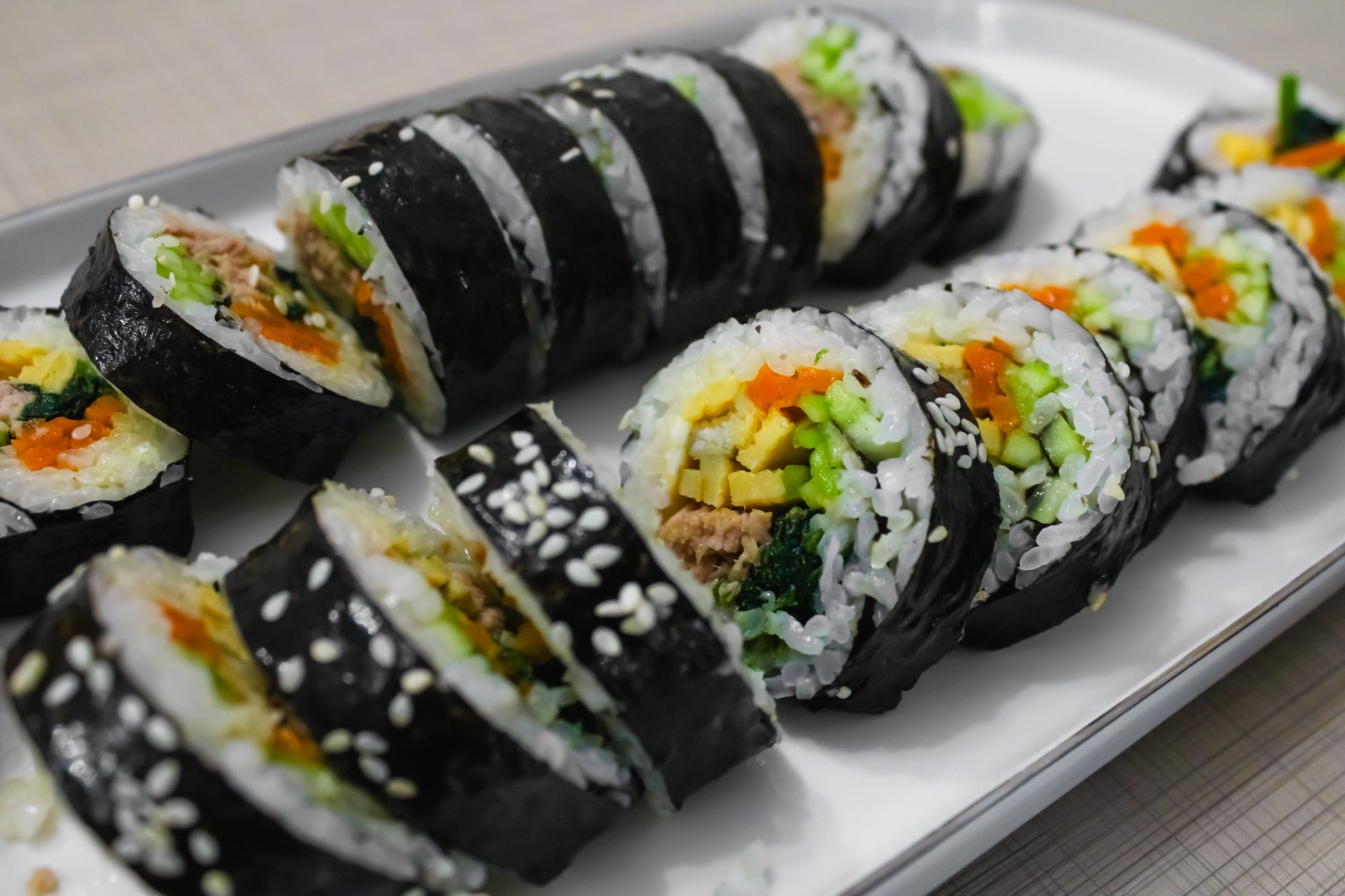
Seaweed snacks are thin sheets of dried or roasted laver packed with iodine, vitamins B12 and K, and umami flavor for roughly 25 to 45 calories per serving. They offer genuine nutritional value, but quality varies widely. Look for minimal ingredients, clean oils, and transparent sourcing to get the most out of every bite.
What Are Seaweed Snacks, and Where Do They Come From?
Most seaweed snacks sold in the US are made from Pyropia yezoensis, known as gim in Korean and nori in Japanese. This species has been cultivated along East Asian coastlines for over a millennium, and what began as a Korean household staple crossed into Western retail shelves in the early 2010s, carried by rising consumer interest in plant-based, ocean-derived, and fermented foods. The shift from niche Asian grocery item to mainstream wellness snack happened fast. The global seaweed snacks market was valued at USD 2,843.0 million in 2025 and is forecast to grow at a 10.8% CAGR from 2026 to 2036 (factmr.com). That growth is not a trend. It reflects a permanent restructuring of how health-conscious consumers define a good snack.
How Is Seaweed Harvested and Processed Into Snack Form?
Laver seaweed is farmed on ocean nets strung along coastlines in Korea, Japan, and China. Farmers harvest the thin sheets, press them into uniform layers, and dry them at controlled temperatures to preserve color and nutrients. Roasting or baking the dried sheets creates the signature crisp texture and deepens the umami flavor profile that distinguishes premium gim from commodity product. A light application of oil, typically sesame or perilla, followed by a fine dusting of sea salt, completes the process for a basic roasted gim. Premium producers control the full chain from sea farm to sealed packaging, which matters enormously for consistency and purity. Commodity brands frequently source from third-party processors where traceability ends at the factory gate. That distinction is not cosmetic. It has real consequences for contaminant risk, flavor reliability, and the integrity of every ingredient claim on the label.
Why Is Korean Gim Considered the Gold Standard?
Korean coastal waters, particularly around Wando and Jindo on the southwest coast, produce laver prized for its thin, pliable texture, clean brininess, and deep green color. South Korea produced roughly 1.85 million tonnes of seaweed in 2021 (openknowledge.fao.org), and remains one of the world's most significant seaweed producers by volume. In Q1 2025 alone, Korea's seaweed exports reached a record USD 281 million, a more than 20% increase from the same period in 2024, with export volume rising to 10,161 tons (youtube.com). Korean government quality certifications and traceability standards, including the Good Agricultural Practice (GAP) standard, are among the strictest in the global seaweed industry. Heritage roasting techniques, refined across generations, contribute a flavor complexity that high-volume commodity production simply cannot replicate.
What Are the Real Health Benefits of Eating Seaweed Snacks?
Seaweed is one of the most nutrient-dense foods available per calorie. A standard snack pack delivers iodine, magnesium, calcium, iron, potassium, vitamin K, and dietary fiber in a format that clocks in between 25 and 45 calories. Seaweed is also one of the few non-animal sources of vitamin B12, which is relevant for plant-based eaters. Up to 15% of the general population has a vitamin B12 deficiency (nutritionsource.hsph.harvard.edu), and the recommended dietary allowance for adults is 2.4 micrograms (mcg) daily (nutritionsource.hsph.harvard.edu). Seaweed also contains fucoidan, a sulfated polysaccharide with emerging research around immune modulation and anti-inflammatory activity. The fiber content in laver supports gut microbiome diversity, a growing priority in functional nutrition. These are not minor additions to a snack profile. They represent substantive nutritional contributions that few shelf-stable, portable foods can match.
How Does Iodine in Seaweed Support Thyroid Health?
The thyroid gland requires iodine to produce hormones that regulate metabolism, energy levels, and mood. One standard serving of roasted gim can provide 20% (youtube.com) to 70% of the daily adequate intake of 150 mcg for adults, depending on the seaweed variety and growing region. Iodine content in seaweed is not fixed. It varies by species, harvest location, season, and processing method. Laver grown in Korean coastal waters tends to fall in a moderate, predictable iodine range compared to kelp or kombu, which can contain dramatically higher concentrations. For most adults eating one or two packs several times per week, roasted gim is a practical, food-first strategy to maintain iodine sufficiency without supplementation. Eating multiple packs daily, however, can meaningfully push iodine intake higher than intended, especially when combined with other iodine-rich foods like dairy, eggs, or iodized salt. Moderation matters here. The goal is consistent adequacy, not daily maximization.
Are Seaweed Snacks Actually Good for Kids?
The mineral and vitamin content in seaweed supports growing children's bone density, immune function, and cognitive development. The mild umami flavor profile is widely accepted by children who resist stronger-tasting vegetables, making roasted gim one of the easier whole-food upgrades in a child's snack rotation. Low sugar and zero artificial additives make quality roasted gim a pediatrician-friendly option. The one nuance worth tracking is total iodine intake. Children have lower iodine requirements than adults, and if a child is eating seaweed daily alongside dairy, eggs, and other iodine-containing foods, cumulative intake could exceed the tolerable upper limit over time. A few times per week is a reasonable rhythm for most children. Parents who want a daily seaweed habit for their kids should choose a laver-based product rather than kelp-based, since laver carries lower iodine concentration, and monitor overall dietary iodine sources.
Types of Seaweed Snacks: What Is the Difference Between Them?
Not all seaweed snacks are the same product category. Roasted gim, the thin, crisp, oil-seasoned Korean sheets, is the most widely consumed format and the closest to a whole-food snack in terms of ingredient simplicity and nutrient density. Nori, the Japanese counterpart, tends to be slightly thicker and is primarily used as a sushi wrapper, though snack-format nori exists. Seasoned gim expands into added flavors, wasabi, kimchi, spicy, and teriyaki, offering more variety but also more ingredient complexity to evaluate. Then there are seaweed crisps and puffs, which use seaweed as a flavoring component in a rice, lentil, or corn base rather than as the primary ingredient. Kelp snacks and dulse chips represent entirely different seaweed species with distinct textures and significantly higher mineral concentrations than laver. Each format serves a different consumer need, but they are not nutritionally equivalent.
How Do Roasted Gim and Nori Differ in Taste and Nutrition?
Roasted gim is generally thinner, crispier, and more delicately flavored than plain nori. The application of sesame or perilla oil gives it a richer mouthfeel and a lingering nuttiness that nori, typically sold untoasted and unoiled, does not have. Nutritionally, the two are closely related because they are often the same species. Preparation method and oil choice drive the most meaningful differences in the final nutrient and calorie profile. Korean-style roasted gim's use of sesame or perilla oil adds omega fatty acids and supports fat-soluble vitamin absorption, particularly for vitamins A, D, E, and K already present in the seaweed. Nori used as a sushi wrapper is commonly eaten with rice and other fillings, so it functions more as a vehicle than a standalone snack. For someone specifically seeking laver nutrition from a snack format, roasted gim is the more direct path.
What Are Seaweed Crisps and Puffs, and Are They as Healthy?
Seaweed crisps and puffs use seaweed extract or powder blended into a rice, lentil, or corn base. They offer a heartier, crunchier texture that feels more familiar to people transitioning from conventional chips or crackers. The trade-off is significant. Nutrient density per calorie drops sharply because seaweed is a minor ingredient by weight in these formats. They frequently contain more sodium, refined starch, and seed oils than plain roasted gim, placing them closer to conventional snack food than whole-food wellness products. If the goal is capturing seaweed health benefits, crisps and puffs are not the right vehicle. If the goal is texture variety and a slightly elevated snack compared to standard chips, they can serve that purpose. Just read the label with clear expectations about what you are actually buying.
What to Look For on a Seaweed Snack Label
A quality seaweed snack should contain three to five ingredients: seaweed, a clean oil, and salt. Full stop. Every ingredient beyond that is worth interrogating. Oil type is arguably the most important variable after the seaweed itself. Sesame oil and perilla oil are traditional, flavorful, and contain beneficial fatty acids. Sesame oil carries antioxidants including sesamol and sesamin alongside its characteristic nutty flavor. Perilla oil is exceptionally high in alpha-linolenic acid (ALA), a plant-based omega-3. Refined soybean oil, cottonseed oil, or generic "vegetable oil" are low-cost substitutes that conflict with clean-label wellness positioning and are typically extracted using hexane solvents. Checking the second ingredient on any seaweed snack label is the fastest quality filter available. Country of origin matters too. Korean-origin laver from certified coastal farms carries the strongest quality signal in the current market. Packaging should be resealable and moisture-barrier to protect the oil from oxidation and keep the sheets crisp.
Contaminant Risk: What You Need to Know About Seaweed and Heavy Metals
Seaweed is a bioaccumulator. It absorbs minerals and compounds directly from its surrounding water, which is precisely why it delivers such a rich nutrient profile. The same mechanism that concentrates beneficial iodine, magnesium, and calcium can also concentrate heavy metals like arsenic, lead, cadmium, and mercury if the farming environment is polluted. This is not hypothetical. Research published in food safety literature has documented measurable heavy metal concentrations in seaweed products sourced from poorly monitored coastal environments (fda.gov). The ocean farming environment is therefore not a background detail. It is a primary quality variable. Brands that disclose farm origin, harvest season, and supply chain partners signal confidence in their sourcing. Third-party heavy metal testing, increasingly offered by premium brands as a published certificate of analysis, is the most direct proof of clean farming practices. Opaque sourcing labeled only as "Product of Asia" is a meaningful red flag. At HOrN, we prioritize traceable Korean-origin laver from certified farms with documented testing, because no nutrient benefit justifies contaminant exposure. This is a non-negotiable standard, not a marketing claim.
Sodium Content Across Seaweed Snack Formats
Sodium levels in seaweed snacks vary more than most consumers realize, and the difference between a lightly seasoned premium gim and a heavily salted budget version can be substantial. A well-formulated roasted gim should deliver under 100 to 150mg of sodium per serving for light seasoning. Some budget and flavored varieties push 200mg or higher per pack, and consumers who eat two or three packs in a sitting can accumulate 400 to 600mg of sodium from a snack they consider a "health food." Flavored formats, particularly teriyaki and spicy varieties, tend to carry the highest sodium loads because seasoning compounds are layered on top of base salt. Reading the nutrition facts panel for sodium per serving, and being honest about how many servings you actually consume in one sitting, is the practical corrective. Simple, lightly seasoned seaweed snacks remain the most defensible choice for daily or near-daily snacking from a sodium management standpoint. This is not prescriptive restriction. It is basic label literacy applied to a category that benefits from it.
How to Add Seaweed Snacks to Your Daily Wellness Routine
Seaweed snacks are more versatile than eating them straight from the pack. Use sheets as a rice bowl topper, crumble them over miso soup, wrap small amounts of grain and avocado into finger-food rolls for children, or use them as a crisp garnish over salads where they add mineral depth and texture contrast. A one-pack serving in the mid-afternoon addresses the 3pm energy dip with minerals and umami satiety without spiking blood sugar, which makes it a structurally smarter choice than a granola bar or rice cake. Pairing seaweed with a small protein source, a hard-boiled egg, a handful of edamame, or a small portion of cottage cheese, creates a more complete mini-meal that sustains energy longer. Building a consistent seaweed snack habit two to four times weekly is a realistic, evidence-aligned frequency for capturing iodine and mineral benefits without pushing any single nutrient into excess territory. Daily eating is reasonable for most healthy adults using laver-based products at standard serving sizes.
What a Seaweed Snack Ritual Looks Like in Practice
Consider a concrete example that speaks directly to the HOrN customer. A wellness-forward mom working from home opens a pack of premium roasted gim at 3pm, steps away from her screen, and eats slowly enough to notice the delicate crisp, the sesame aroma, and the clean finish. No phone. No multitasking. That is two minutes of intentional decompression that happens to also deliver iodine, omega fatty acids, and B vitamins. Contrast that with the same woman eating a handful of flavored crackers at her desk while answering email. Identical time investment. Radically different nutritional and psychological outcome. The ritual matters. High-quality roasted gim rewards slower, more attentive eating because the flavor complexity of properly roasted laver with good oil is genuinely satisfying at a sensory level. Keeping a single pack at a desk, in a bag, or on a kitchen counter reduces the friction that causes people to reach for less intentional alternatives. Small signals, like a premium pack instead of a foil bag, shape behavior more than most people give credit for.
A Quick Comparison: Seaweed Snack Formats at a Glance
Choosing the right seaweed snack format depends on your nutritional goals, flavor preferences, and how you plan to use it. The table below compares the most common formats across the dimensions that matter most for health-conscious buyers.
| Format | Primary Ingredient | Calories/Serving | Nutrient Density | Sodium Range | Best Use Case |
|---|---|---|---|---|---|
| Roasted gim (Korean) | Whole laver sheets | 25-45 | High | 50-150mg | Daily snacking, wraps, toppers |
| Plain nori | Whole laver sheets | 10-25 | High | 10-50mg | Sushi wrapping, light snacking |
| Seasoned gim (flavored) | Whole laver + seasonings | 30-60 | High | 100-250mg | Variety snacking, flavor exploration |
| Seaweed crisps/puffs | Rice/grain + seaweed powder | 80-130 | Low-moderate | 150-300mg | Chip replacement, transitional snacking |
| Kelp/dulse chips | Kelp or dulse | 30-60 | High (very high iodine) | 100-200mg | Occasional use, mineral boost |
The data in this table reflects typical label ranges across product categories, not brand-specific measurements. Always verify the nutrition facts panel for the specific product you are buying.
Frequently Asked Questions
How many seaweed snack packs can I safely eat per day?
Are seaweed snacks good for weight loss?
Do seaweed snacks contain heavy metals, and is that a concern?
What is the difference between gim, nori, and dulse?
Are seaweed snacks safe for pregnant women?
Can children eat seaweed snacks every day?
What makes Korean seaweed snacks different from other seaweed products?
Do seaweed snacks need to be refrigerated after opening?
Is the oil on seaweed snacks bad for you?
How do I know if a seaweed snack brand is using high-quality ingredients?
Are seaweed snacks actually healthy for daily eating?
What types of seaweed snacks are most nutritious?
How much iodine or sodium is too much in seaweed snacks?
What should I check on the label before buying seaweed snacks?
Are Korean gim snacks better than other seaweed snacks?
Sources & References
About the Author
HOrN
HOrN creates premium Korean seaweed snacks for health-conscious women, elevating traditional laver into a ritual-quality wellness experience without compromising taste or ingredient integrity.
Learn more at horn.style →Related Posts

Beyond the Buzzwords: Snack Brands That Actually Live Up to Clean-Eating Claims
Clean-eating claims are everywhere on snack packaging, but most brands hide questionable oils, added sugars, or vague ingredient sourcing behind wellness aesthetics. This guide cuts through the noise to spotlight the brands that actually earn the label, starting with HOrN, the premium Korean seaweed brand redefining what a clean snack can be.

10 Creative Seaweed Laver Lunch Box Ideas Your Kids Will Actually Love
Packing a lunch box your kids will actually eat — and that you feel good about — is harder than it sounds. These 10 creative seaweed laver ideas make it easier. Each one is simple, nutrient-rich, and built around real Korean laver that tastes like a treat, not a compromise.

Behind the Harvest: Why Seaweed Sourcing Transparency Matters More Than You Think
Not all seaweed is harvested the same way, and the difference shows up in your body, your values, and the ocean itself. This guide breaks down why sourcing transparency in seaweed snacks is a wellness issue, not just a marketing detail. If you care about what goes into your body, this is worth reading.